The New 7 Wonders of the World Foundation launched the initiative to select the Seven Wonders of Argentina; more than a million people voted, and the country’s new natural icons were revealed.
In this post, we’ll give you the details on the Seven Wonders of Argentina
Las Salinas Grandes – Jujuy
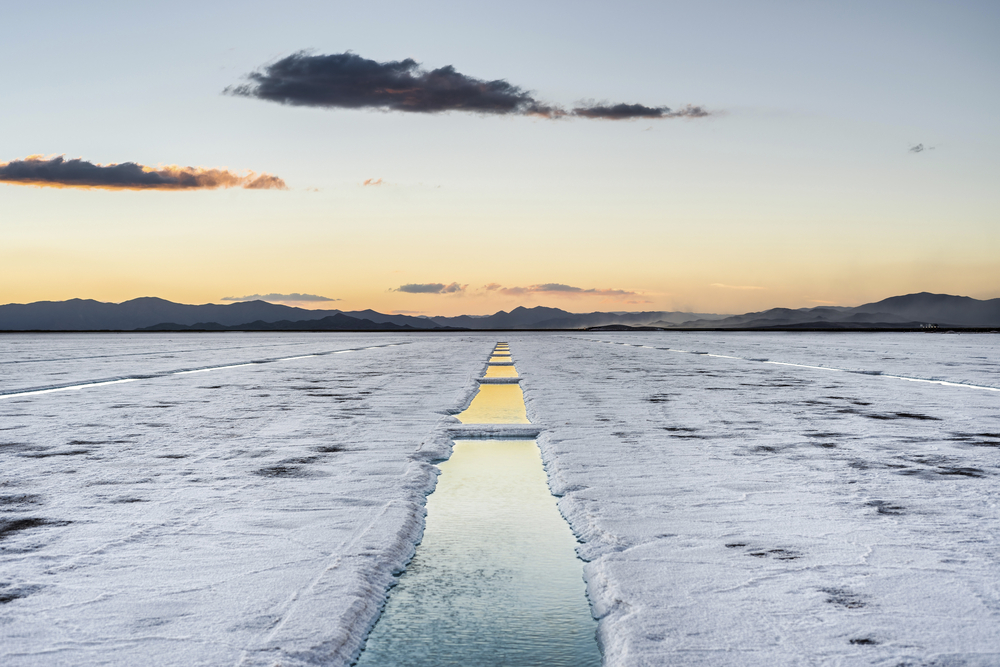
It is the third-largest salt flat in South America, covering more than 12,000 hectares, and is located at an altitude of 4,000 meters.
Perito Moreno Glacier – Santa Cruz
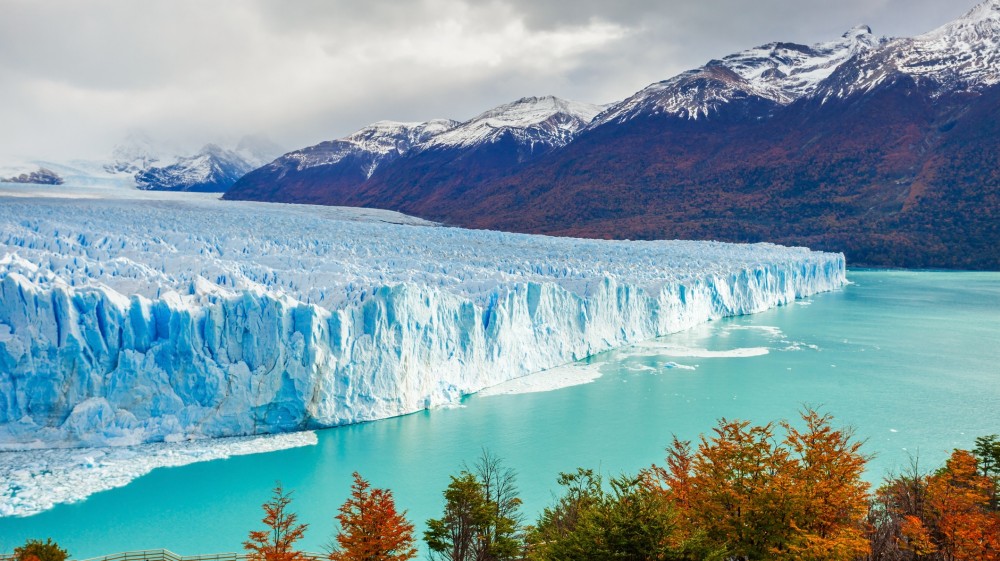
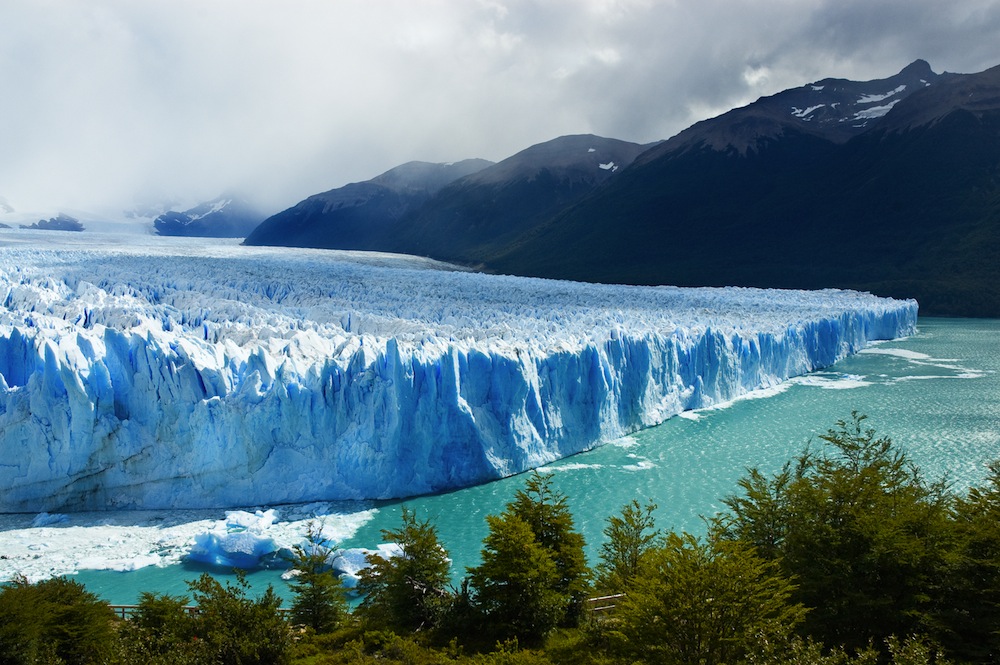
Perito Moreno Glacier displays a phenomenon that makes it truly spectacular: its ice advances ceaselessly, causing massive blocks of ice to break off and calve from its 5-kilometer-wide front. Perito Moreno is one of the many glaciers that make up Los Glaciares National Park.
Talampaya National Park – La Rioja
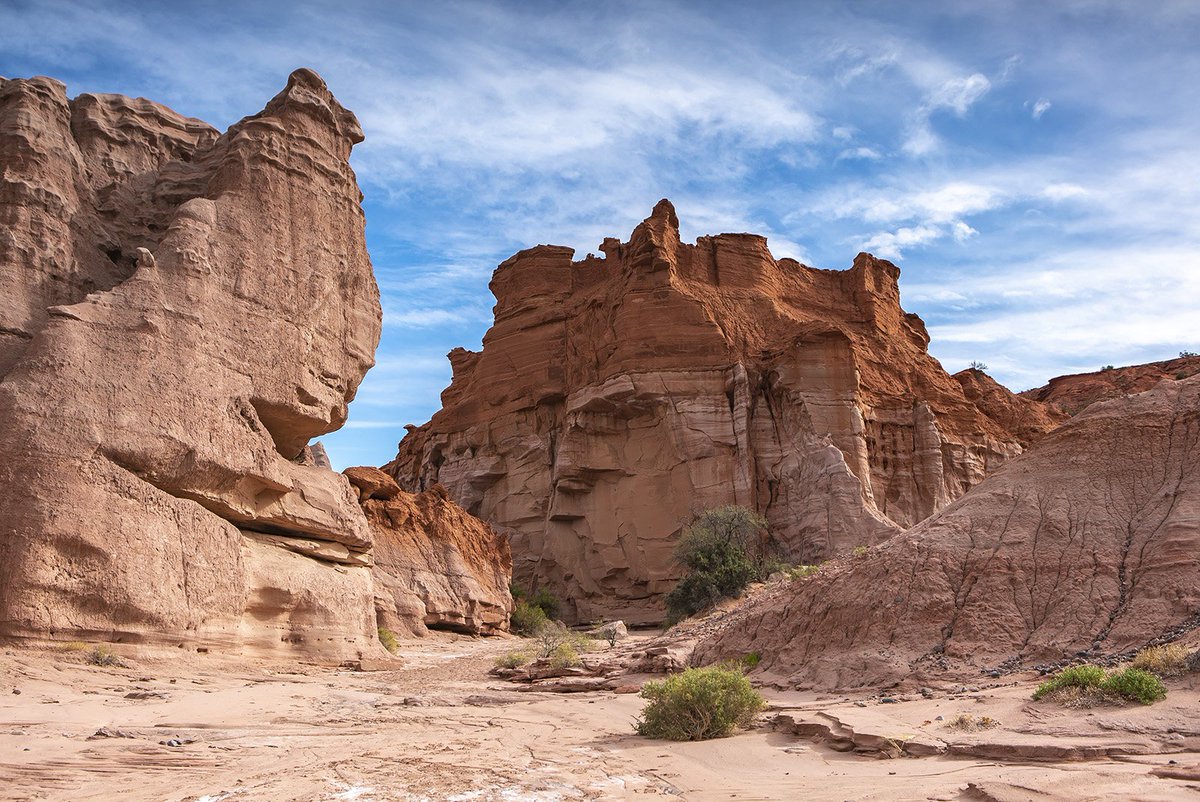
Talampaya National Park is a national protected area located in Villa Unión. Sudden temperature changes have created natural chiseling, causing large tectonic plates to break apart. These plates bear witness to more than 250 million years of evolution. A place of extreme beauty, the desert stands out for its varied terrain and unique colors.
Misiones Rainforest – Misiones
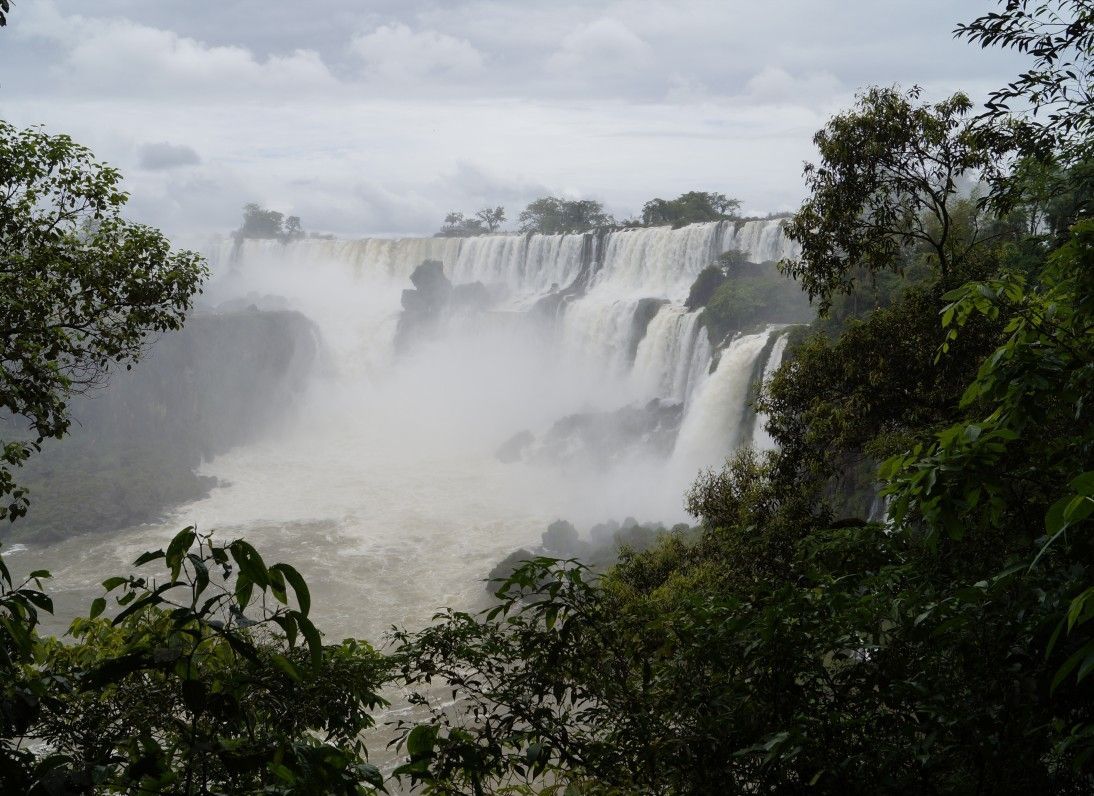
Valleys, rivers, lush subtropical vegetation, and even mountain ranges reaching 800 meters in height form a humid rainforest that covers more than 35% of the territory of Misiones. It is one of the most biodiverse ecoregions on the planet and also one of the most threatened natural areas in the world due to ongoing deforestation.
Mina Clavero River – Córdoba
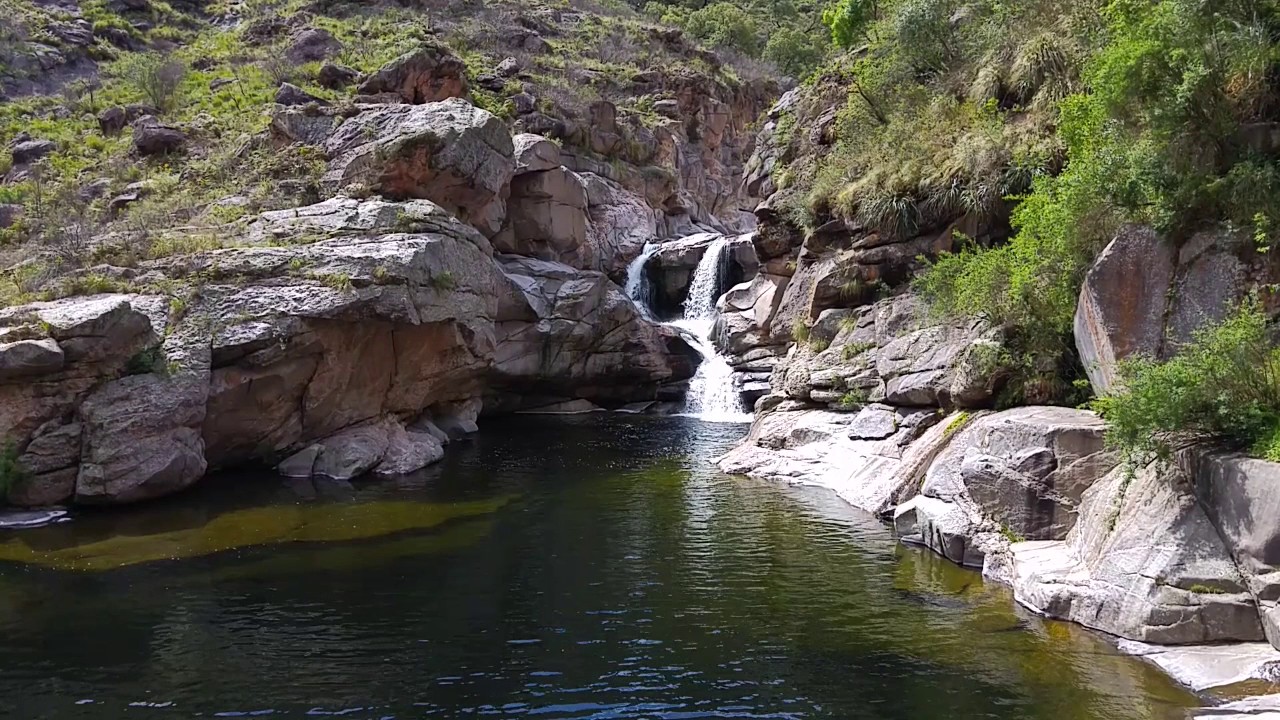
The Mina Clavero River reigns supreme in the heart of the Traslasierra Valley. Its source in the Pampa de Achala is the result of the confluence of streams and creeks that make it cool, crystal-clear, and torrential.
Nahuel Huapi Lake – Río Negro
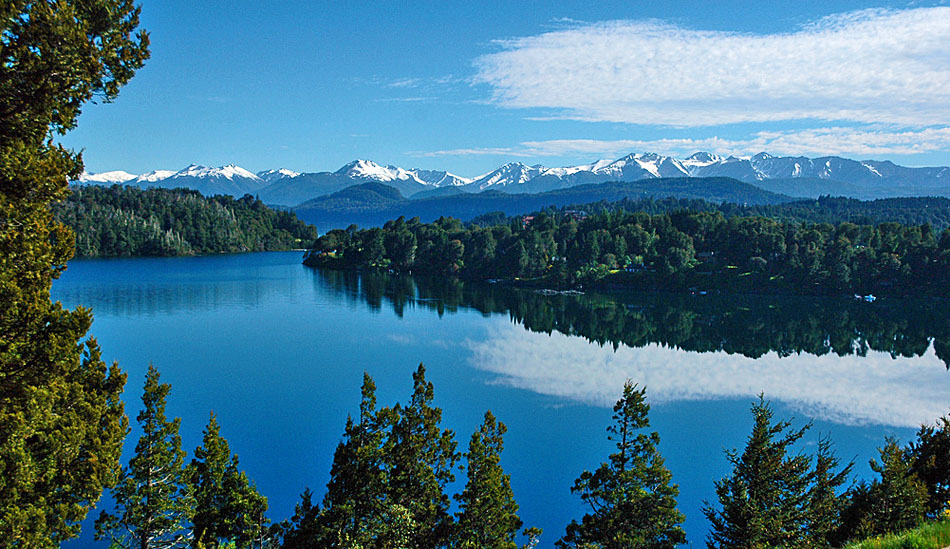
Shared by the Patagonian provinces of Neuquén and Río Negro, it is the country’s oldest national park. Cold, humid forests, eternal snows on its most iconic peaks, and a wide variety of lakes, streams, and rivers make up an exceptional landscape admired around the world
Bañado La Estrella – Formosa
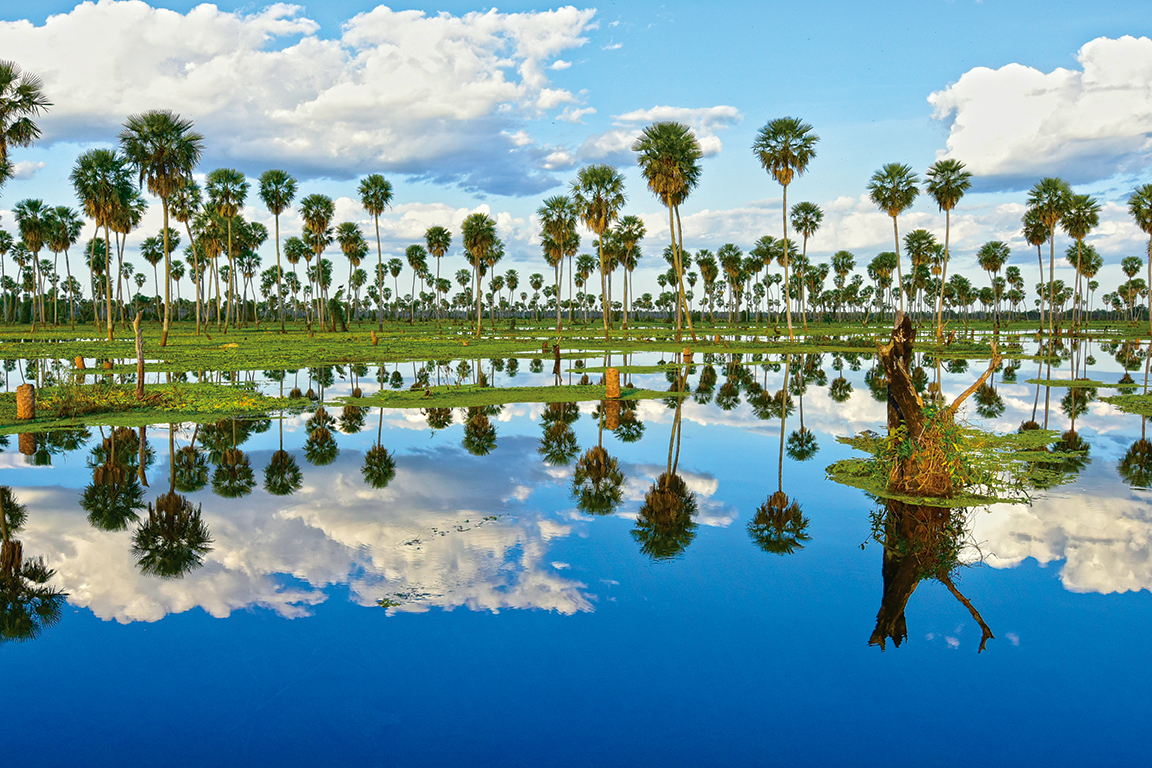
It is the second-largest wetland in Argentina. Located north of the town of Las Lomitas, it is flooded most of the year by rains and the overflow of the Pilcomayo River. The Bañado’s 400,000 hectares (300 kilometers long and 10 to 20 km wide) make it the third-largest wetland in the Southern Cone, after the Pantanal (Brazil) and the Iberá Wetlands. It is a jewel whose preservation is vital for a vast array of living creatures with increasingly fewer wild areas in which to live.
Follow our travels on social media!!!