Costa Rica announced that by 2021 it will become the first plastic-free and carbon-neutral country.
Stretching 288 miles long—twice its width—with 800 miles of coastline bordering both the Pacific and the Caribbean, you’ll need to be decisive when planning which of the country’s diverse and thriving protected areas you want to visit. With a quarter of its land dedicated to national parks and another five percent to private nature reserves, you have plenty of options.
We’ve divided Costa Rica’s national parks into three regions: the Pacific coast; the central, mountainous region; and the Caribbean coast. We’ve also included an offshore marine reserve. In this post, we’ll highlight the best national parks and reserves in each area.
Pacific Coast
Corcovado National Park, Osa Peninsula, southern Pacific coast.
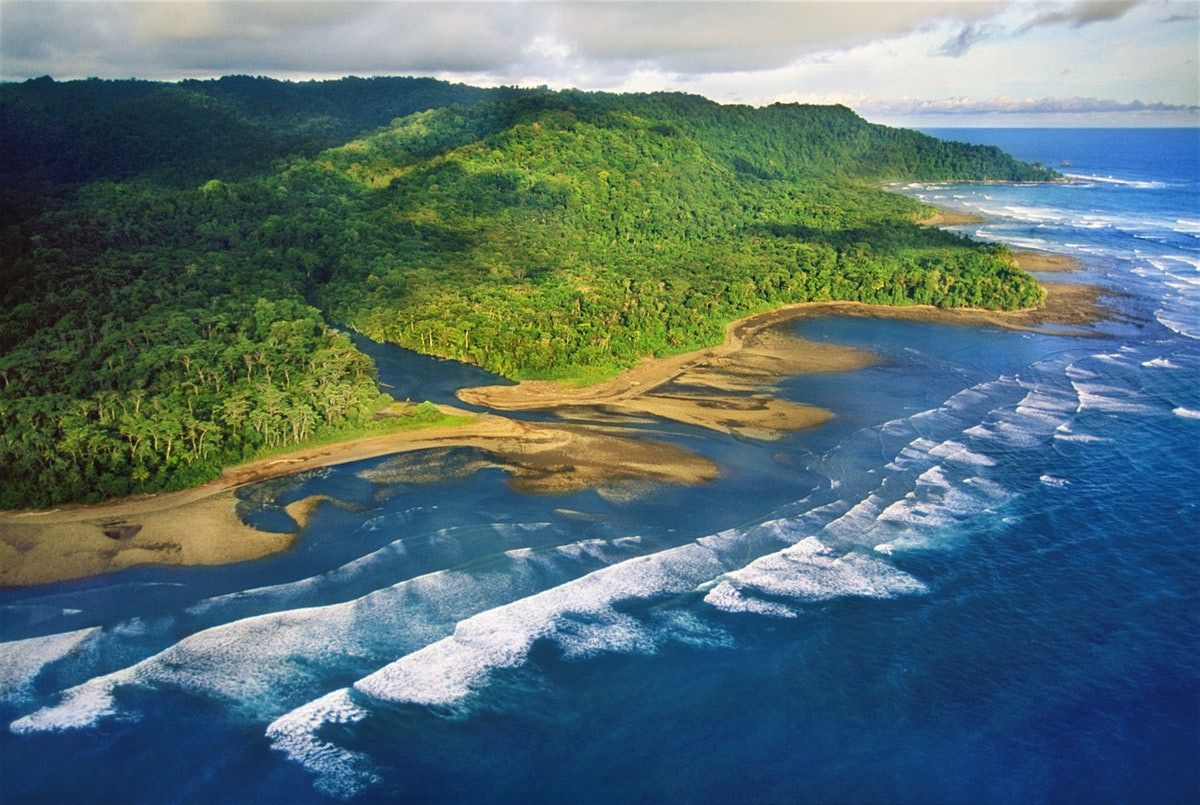
This sliver of land jutting out from the southwest coast is the absolute epicenter of the country’s biodiversity and was even labeled “the most biologically intense place on Earth” by National Geographic. It’s easy to lose yourself in a world of outdoor adventure in Costa Rica’s largest park, which is said to be home to approximately 2.5 percent of the world’s biodiversity. Follow the hiking trails along the coast to enjoy the peninsula’s calm Pacific waters, or head inland to explore one of the world’s oldest forests, hidden in mountains reaching over 2,500 feet in elevation.
Ballena Marine National Park, southern Pacific coast
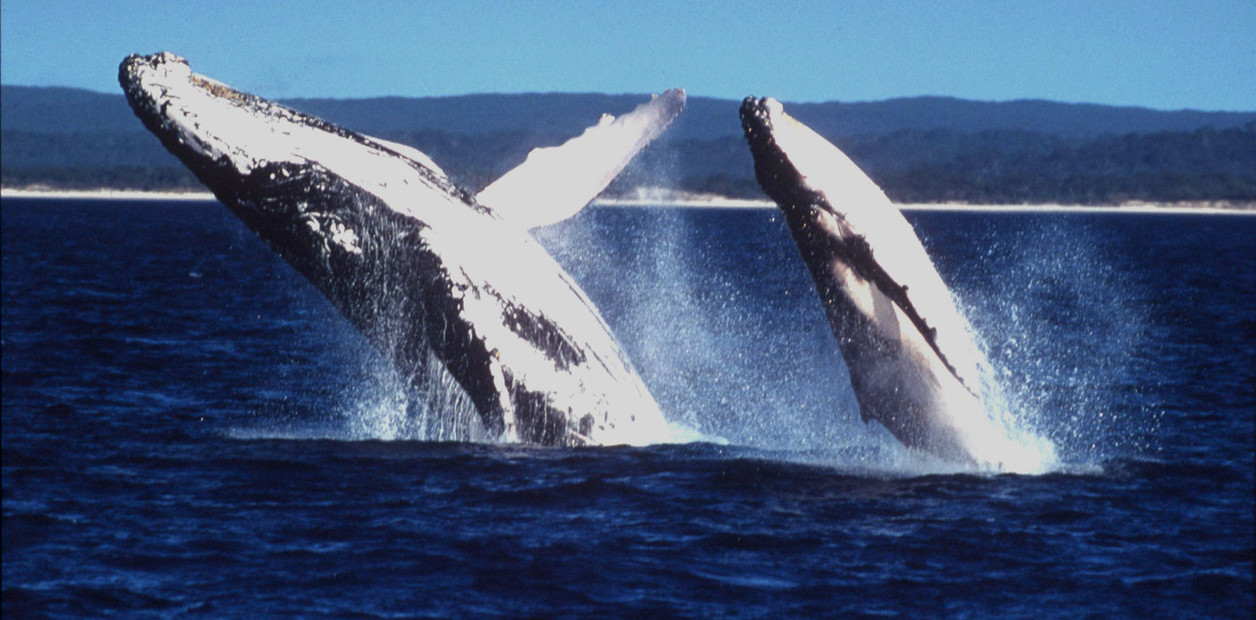
Humpback whales breach the water, green marine iguanas bask on the rocks, bottlenose dolphins play in the waves, and hawksbill turtles swim out to sea. All these animals thrive in Costa Rica’s most impressive marine park. Ballena Marine National Park spans nine miles of coastline, 13,000 acres of ocean, and the largest Pacific coral reef in Central America, all protected from development. The park is open to sustainable tourism, however; you can relax on some of the Pacific’s most beautiful pristine beaches, explore a wide variety of wildlife in the extensive mangrove forests, and go snorkeling or diving to enjoy its underwater treasures.
Manuel Antonio National Park, Central Pacific Coast.
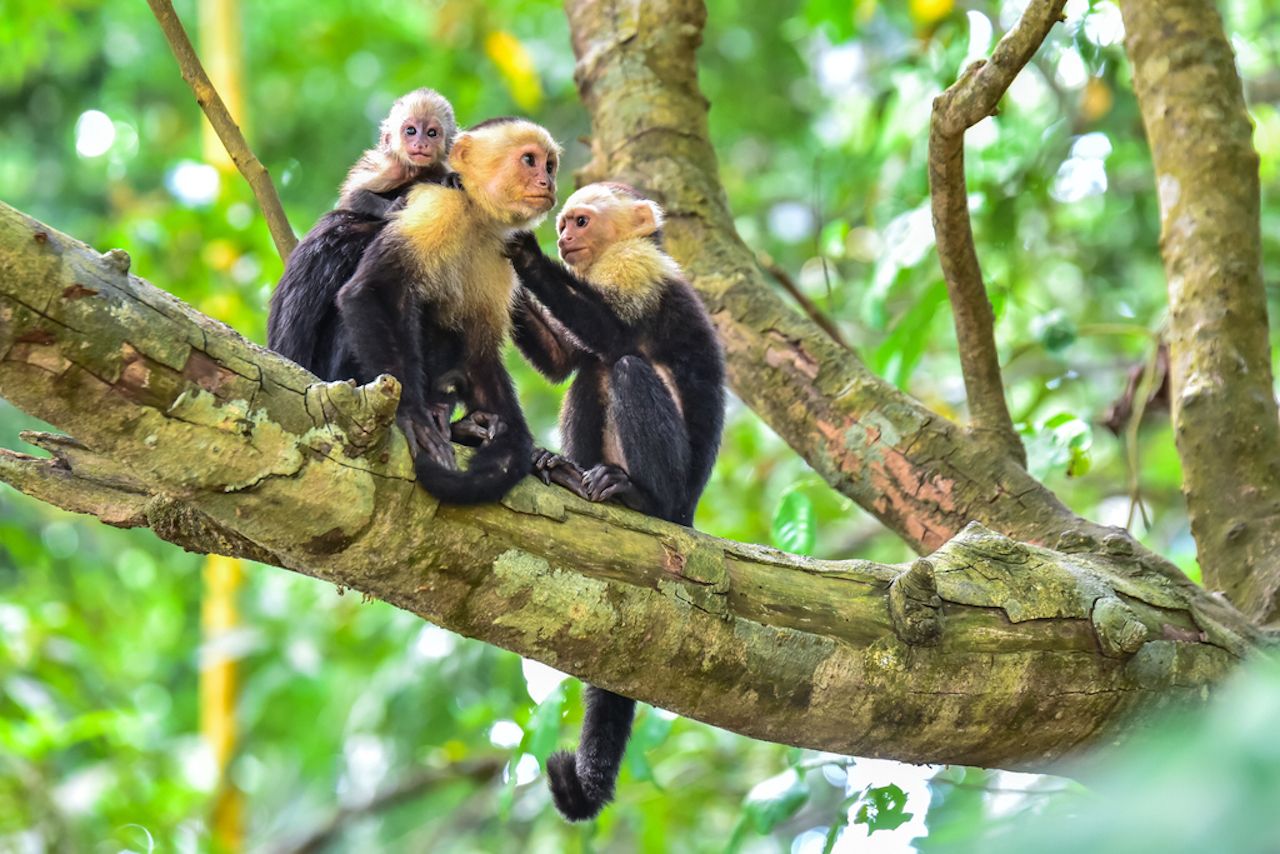
The park’s waterfront location is what makes it so appealing. Palm-fringed shores with blue waters stretching over gleaming white sands lead into a dense forest, teeming with more than 100 varieties of mammals and nearly 200 types of birds. Manuel Antonio, known as the “Jewel of the Pacific,” is one of the country’s smallest national parks, yet it still welcomes nearly half a million visitors a year. With activities and spots to please both nature explorers and lazy beachbums, it’s easy to see why it attracts so many admirers.
Barra Honda National Park, Northwest Coast
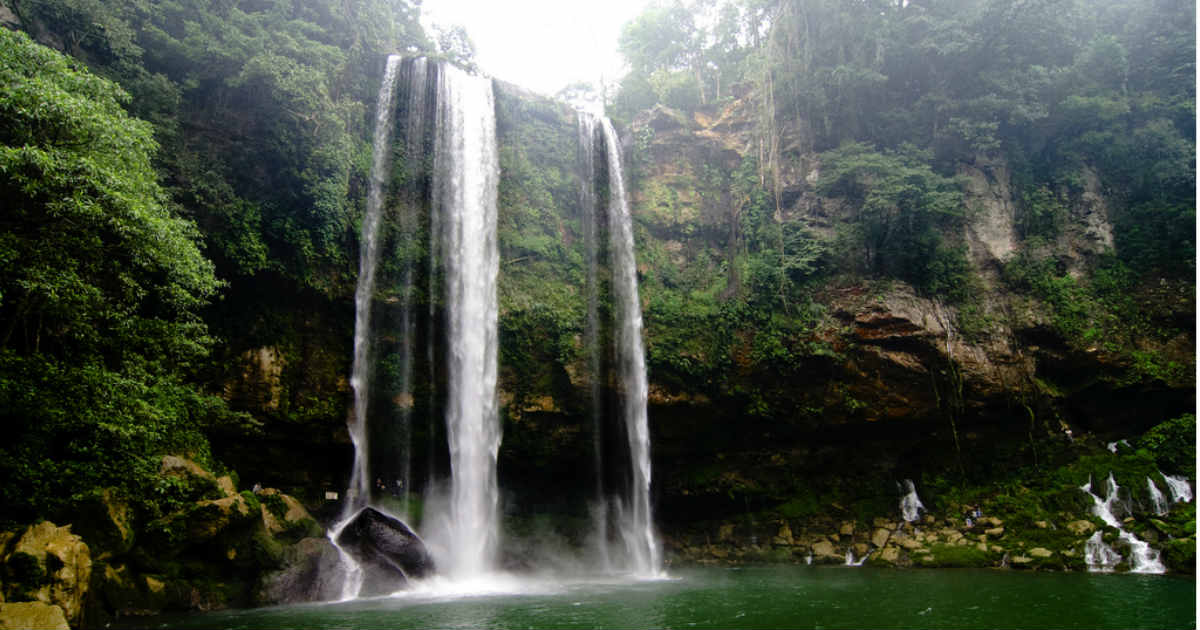
While many of Costa Rica’s national parks center around natural wonders under the sun, Barra Honda was established in 1974 to protect a deep, dark, secret world. The rocks and soil beneath this national park are riddled with cave systems that have so far been explored by less than 50 percent.
Endemic species, unique hanging stalactites, and growing stalagmites are just some of the fascinating features awaiting any traveler who comes to explore the caverns, accessible with a permit and guide. Some of the most notable are Santa Ana Cave, located 780 feet below the surface; La Trampa; and Nicoya, where pre-Columbian artifacts were found.
Near San José and the interior
Poás Volcano National Park, central interior, north of San José}
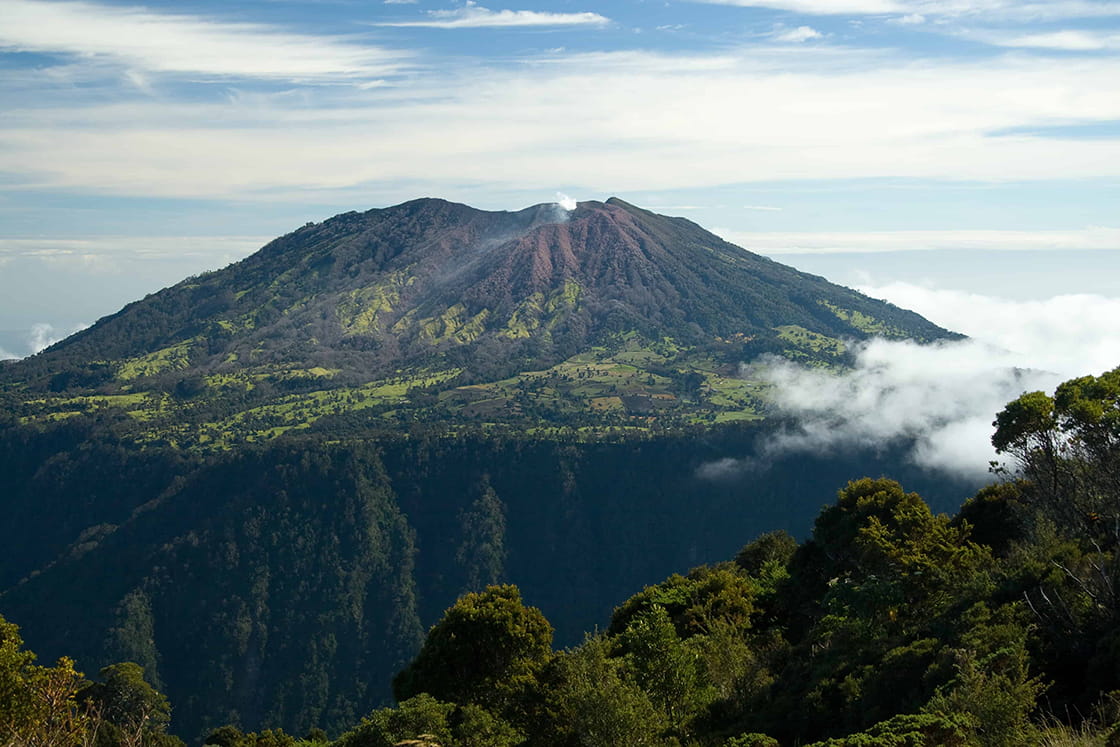
The main attraction in this national park is a hub of natural activity. The enormous crater of the Poás Volcano is a desolate pit that spews so much sulfur dioxide that visitors are restricted in how long they can admire this geothermal wonder.
Irazú Volcano National Park, Cartago, Central Costa Rica, east of San José
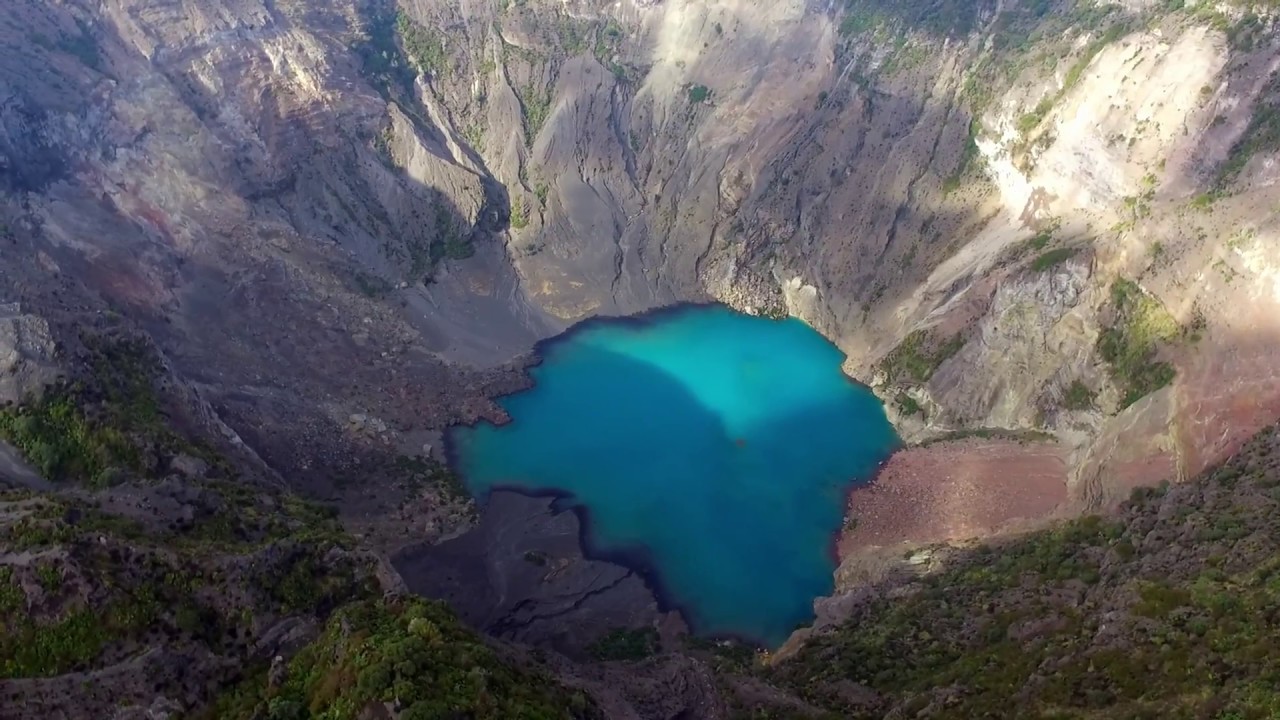
The national park’s rainforests and cloud forests cover the area around Irazú, Costa Rica’s largest and highest active volcano at over 11,000 feet. Driving toward the park’s visitor center, you’ll enjoy spectacular views of the green landscape below, until you cross the upper tree line and reach the barren, lunar-like plateau.
Arenal Volcano National Park, north-central
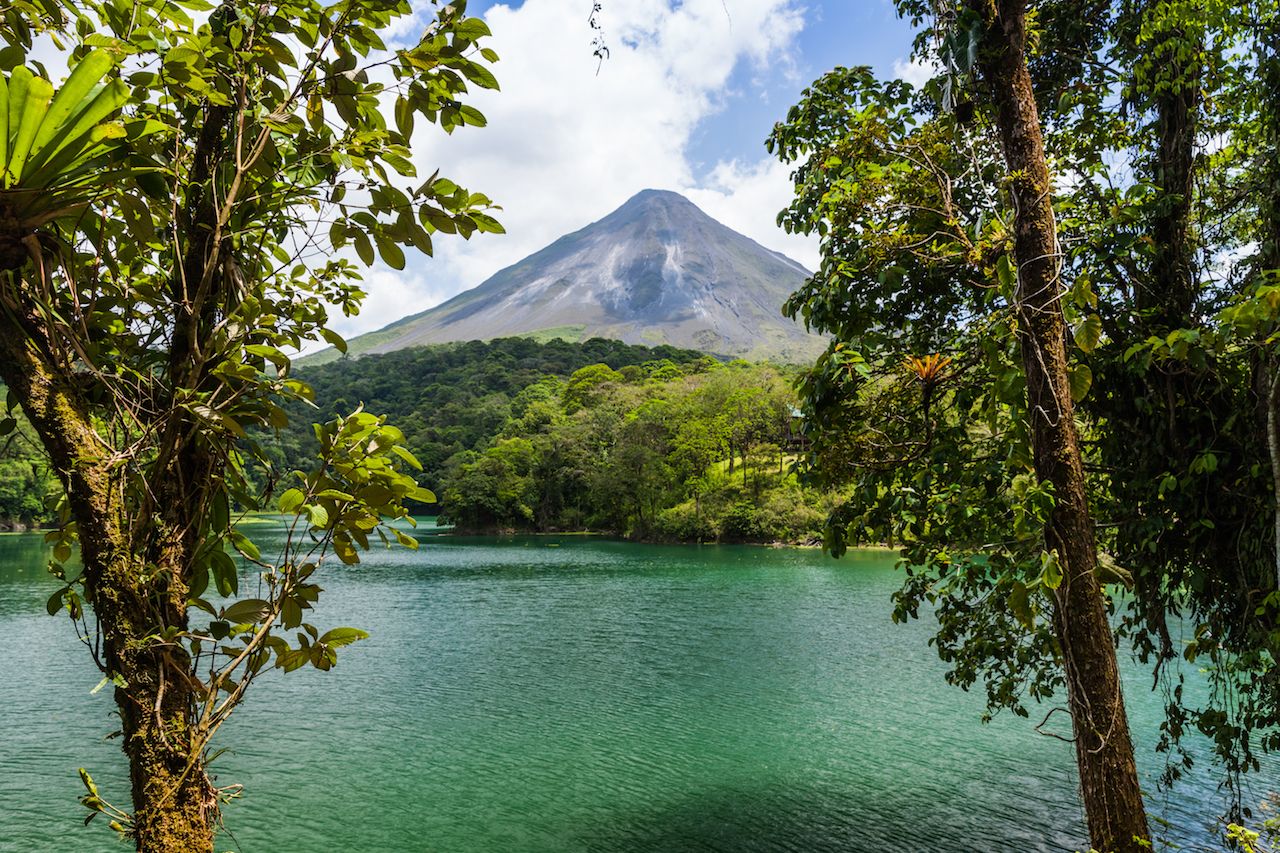
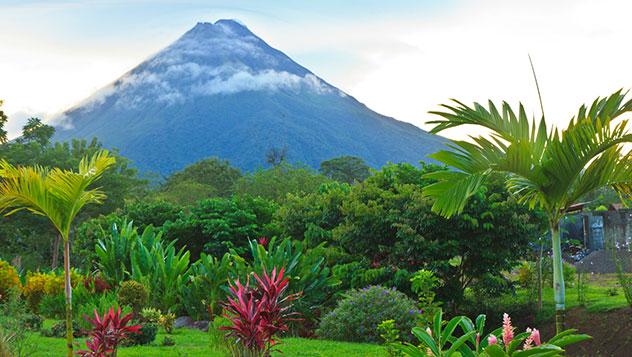
In recent decades, the park’s main volcano was a bubbling lava caldera, with red streams running down its flanks and rocks jutting from the summit, and it could soon be that way again. But for now, you can see the calm, towering Arenal Volcano from almost anywhere within the national park, as long as it isn’t shrouded in clouds. If you happen to visit on a foggy day, don’t despair: the park is also known as a birdwatcher’s dream, as most of Costa Rica’s 850 bird species can be spotted among the park’s trees.
Monteverde Cloud Forest Reserve, Northwest Interior
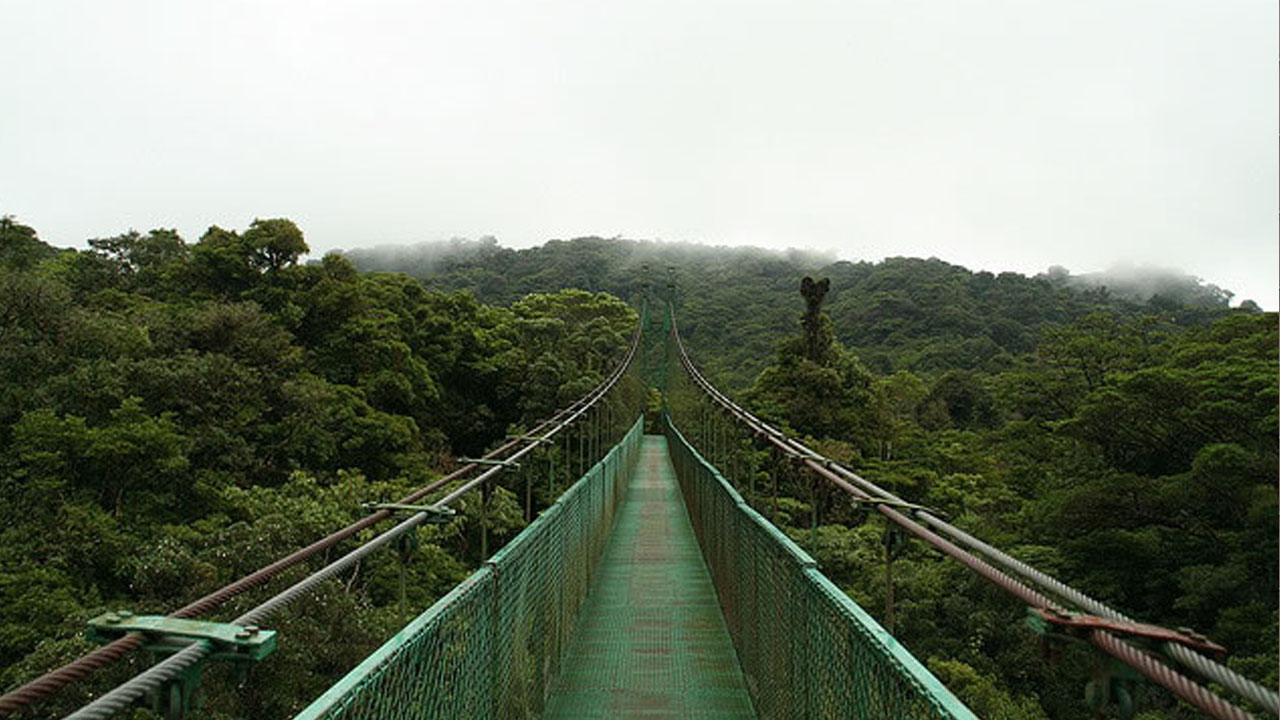
Monteverde is not a national park but a private reserve. It was the first private reserve in Costa Rica to demonstrate that sustainable ecotourism could also work in areas owned by nonprofit organizations and environmental groups. The involvement of these groups increases the amount of protected land in Costa Rica to nearly 30 percent of the country.
Monteverde, one of the world’s most important cloud forests, is an elevated reserve crisscrossed by many kilometers of trails that wind through misty slopes. While it is possible to explore these trails in the peace and quiet of your own company, we recommend that you follow a local guide, whose knowledge of the area can help you spot animals and plants that would otherwise remain hidden in the dense vegetation.
Caribbean Coast
Tortuguero National Park, northern Caribbean coast
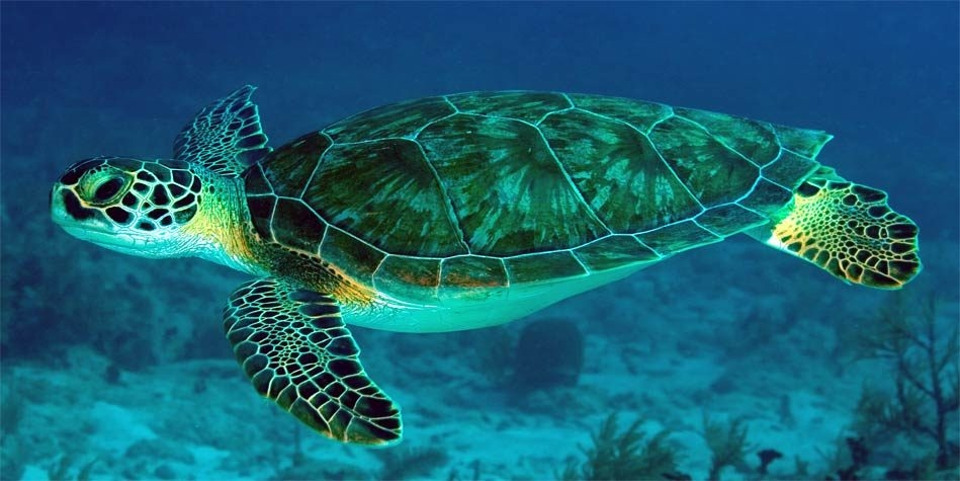
With a wide range of protected habitats, including rainforests, mangroves, swamps, lakes, beaches, and lagoons, Tortuguero boasts one of the most impressive arrays of flora and fauna in Costa Rica. Accessible only by plane or boat, the remote nature of its location on the Caribbean coast has allowed much of the area to remain untouched by human activity, providing the perfect breeding ground for all kinds of creatures, including several species of turtles—among them the endangered green sea turtle— manatees, crocodiles, caimans, bull sharks, jaguars, sloths, toucans, peacocks, and three of Costa Rica’s four monkey species—all found along this 20-mile stretch of coastline. Visitors can explore the parts of this park open to the public via hiking trails or by boat, kayak, or canoe.
Cahuita National Park, southern Caribbean coast
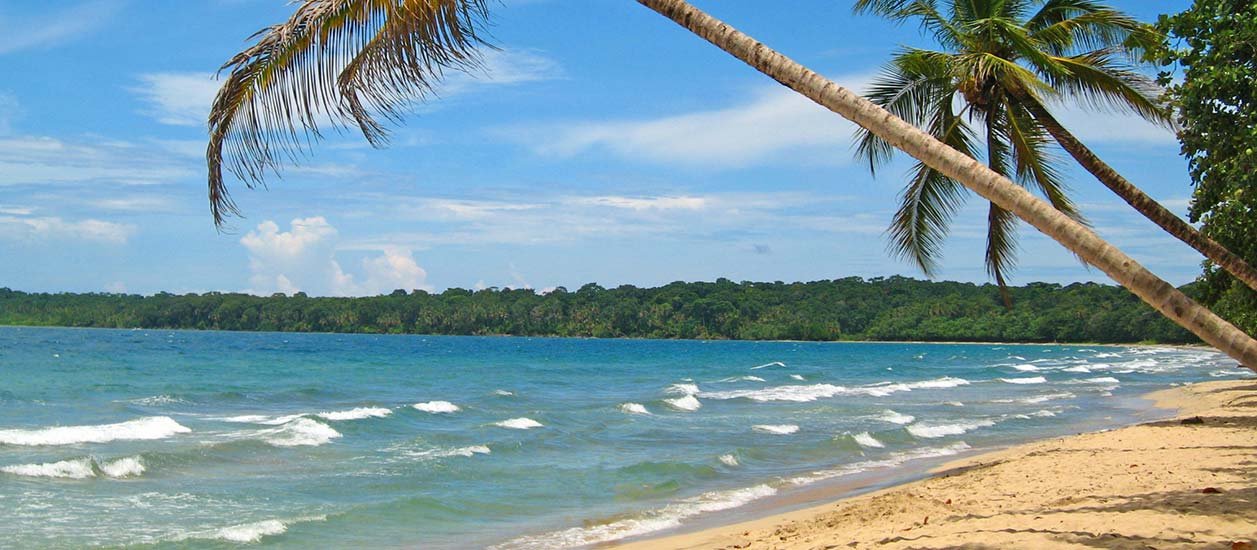
South of Tortuguero, on the Caribbean coast, this park was established nearly 50 years ago to protect a large, colorful coral reef that still harbors more than a hundred different species of fish and turtles. But behind Cahuita’s beaches lies a forest teeming with howler monkeys, coatis, crab-eating raccoons, iguanas, sloths, various species of snakes, and countless birds, including toucans. It is one of the most beautiful of Costa Rica’s stunning national parks, and unlike Tortuguero, it is accessible by car.
Offshore
Cocos Marina Conservation Area: Pacific Ocean
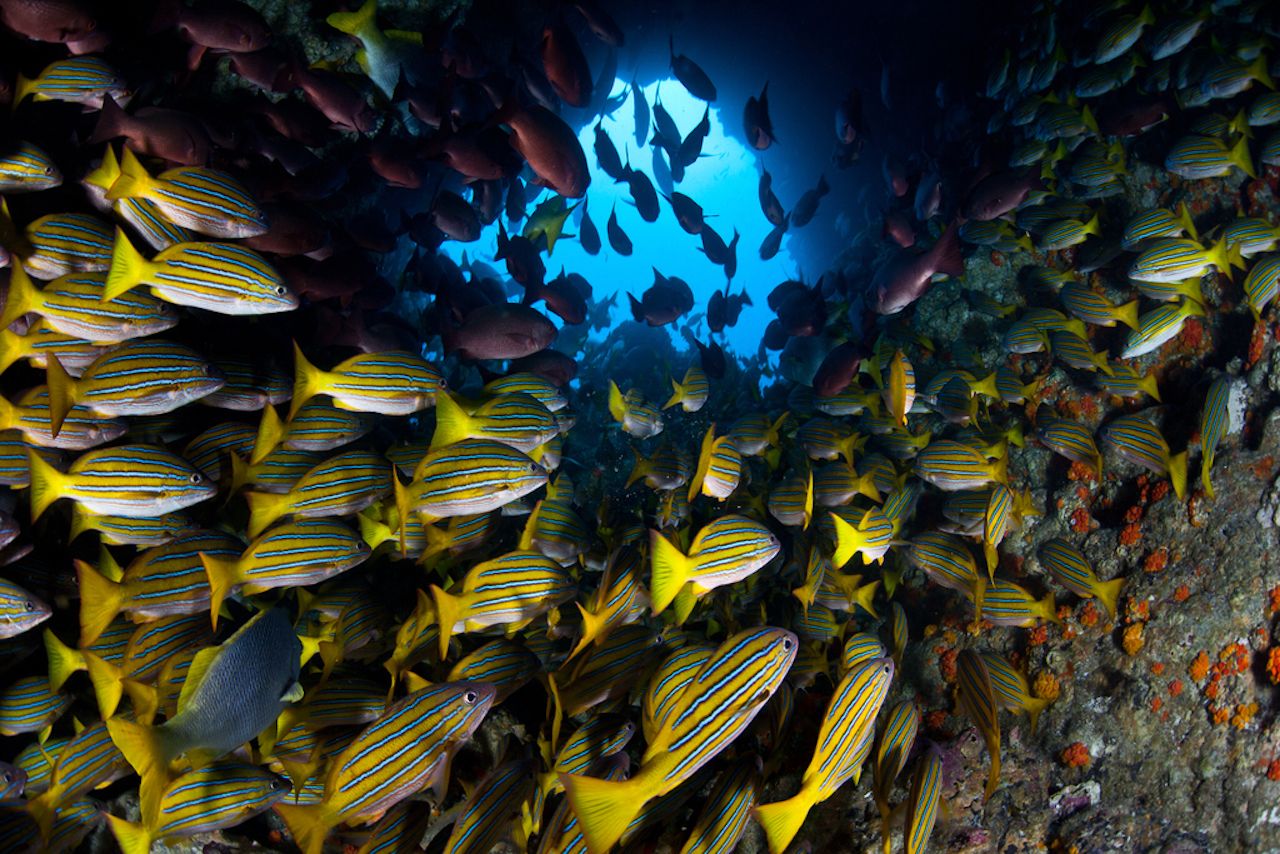
Three hundred and forty miles off the western coast of Costa Rica lies its most pristine paradise, one that has been designated a UNESCO World Heritage Site. Entry to Cocos Island is by permit only, and there is no accommodation available here, so overnight stays are only possible on the catamarans. The sacred waters are teeming with marine life, including white-tip sharks, dolphins, and the majestic manta ray, making this a must-visit destination for certified divers.
FOLLOW OUR TRAVELS ON SOCIAL MEDIA!!!