Our trip to Peru began in Cusco, where we spent seven days in this city rich in history and culture—a place where it’s easy to fall in love with every corner.
Cusco
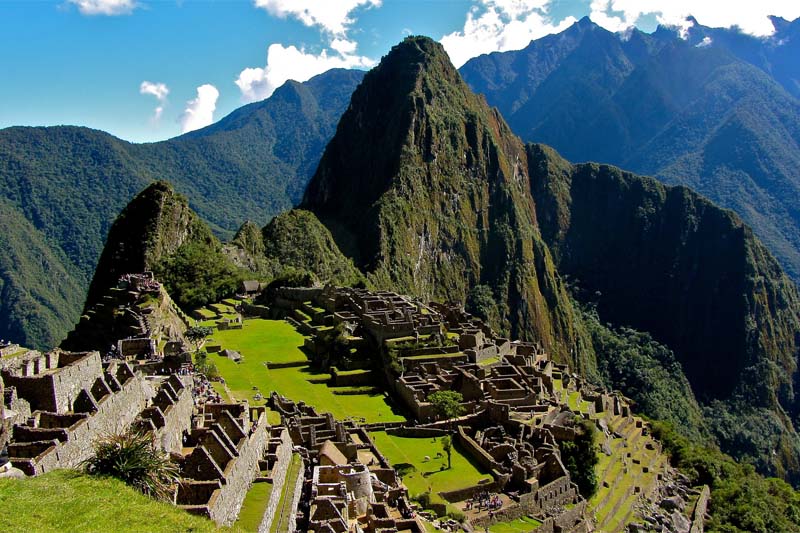
Located in the Andes mountain range at 3,399 meters above sea level, it was declared the Historic Capital of Peru, serving as an impressive example of advanced Inca engineering that relied primarily on stone as its main building material. Like sites such as Choquequirao, Sacsayhuaman, Qenko, Tambomachay, Ollantaytambo, and above all Machu Picchu—an architectural gem built with the wisdom of the ancient Incas that served as the political, religious, and administrative center of the era.
The department of Cusco also boasts various tourist attractions such as the Sacred Valley, considered the center of production for the finest corn; the San Blas neighborhood; and many other sites.
How to get to Cusco from Lima
Whether you arrive by plane or bus, you’ll be an easy target for tourist touts. They’ll offer you lodging or taxis to get to downtown. Downtown, however, is just a few minutes from the airport, and the city isn’t that big. Walking from one end to the other might take about two hours. The best option is to take a taxi outside the airport, always haggling over the price.
We arrived at the Lima airport, where we killed time until our flight to Cusco departed. Once there, we took a taxi into the city, which cost us about 15 soles.
During our first two days, we decided to explore the city, acclimate to the altitude, and enjoy the hidden corners of Cusco.
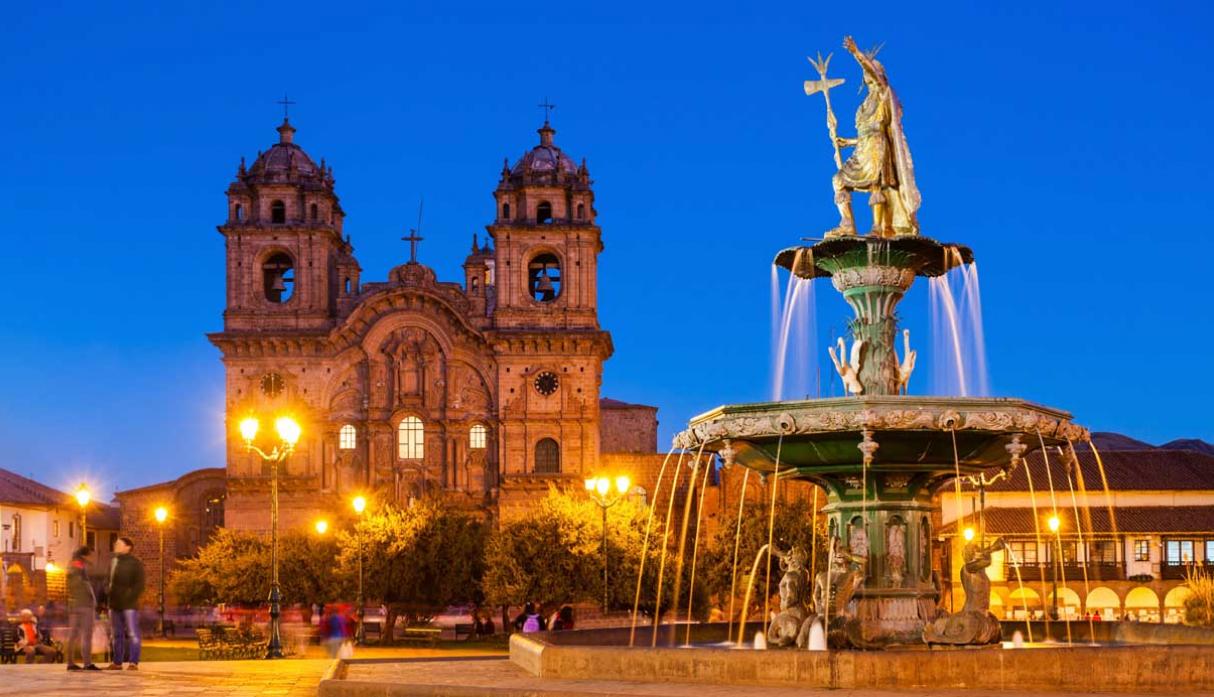
What to visit in Cusco
- Plaza de Armas in Cusco
In Inca times, it was called "Awqaypata," a Quechua word meaning "place of the warrior." It was an important ceremonial site where the Inti Raymi, or Festival of the Sun, was celebrated every year. It was the place where Francisco Pizarro proclaimed the conquest of Cusco. With the arrival of the Spanish, the plaza was transformed; stone arches were built, and the structures that still surround it today were erected.
- Cusco Cathedral
The construction took place in two stages: first, the Chapel of Triumph was built on the site of the ancient temple of Suntur Wasi (House of God); later, the cathedral was erected on the site of the palace of the Inca Wiracocha. The façade and interior are dominated by the Renaissance style, with interior decoration rich in cedar and alder carvings. The choir and pulpit stand out for their beauty. It houses an important collection of paintings from the Cusco School and embossed silver objects.
Visiting Hours: Mon–Sun 10:00 a.m.–6:00 p.m., including holidays.
- Church of the Society of Jesus
The original church was built in 1571 on the site of the former Amarucancha, the palace of Inca Huayna Cápac. After the 1650 earthquake, it had to be rebuilt around 1688. The original layout and façade are examples of Andean Baroque. The "altarpiece"-style façade is decorated with medium-height towers, and its stone walls have been carefully crafted.
Visiting hours: Monday through Sunday from 9:00 AM – 12:00 PM / 1:00 PM – 5:30 PM
- San Blas Neighborhood
Known as "T'oqokachi" or "salt hollow," this neighborhood features narrow, steep streets and beautiful colonial-style houses. It is known as the Artisans’ Quarter. Many families offer lodging in their homes. This is a must-see. Starting from the Plaza de Armas, you’ll walk along the cobblestone and Andean-style narrow streets and arrive after climbing a few steps uphill.
- San Blas Church
Built in 1560 during the colonial era, it preserves a Baroque pulpit that is a masterpiece of woodwork and carving, attributed to the indigenous artist Juan Tomas Tuyru Tupac.
Visiting hours: Monday through Saturday 8:00 AM – 6:00 PM / Holidays 8:00 AM – 6:00 PM.
- San Pedro Market
One of the most diverse and exotic places for regional foods and products. Fresh coca leaves, pure cocoa, top-quality coffee, fruit juices, and traditional dishes are just some of the things you’ll find. Ideal for stocking up on supplies if you want to save money.
- Flea Market
Market open only on weekends. Several blocks packed with people eager to see the most curious secondhand items. Everything from items left behind by foreign tourists to local products is sold here. Excellent for checking out the best of Cusco and stumbling upon a treasure or two.
- Sacsayhuamán
Climbing the stairs and following the winding path that leads toward the statue of Christ overlooking the entire city, you’ll find the Sacsayhuamán fortress. This is your first encounter with Inca architecture before heading to Machu Picchu. Galleries, steps, and stone windows are the main attractions.
- Temple of the Moon
Not far from Sacsayhuamán, you’ll find the archaeological remains of the Temple of the Moon. While many tours only take you past it briefly, if you go on your own, you can stay longer and discover the authentic archaeological remains along the way.
- Coricancha
Originally the Temple of the Sun, this site later became the site of the Convent of Santo Domingo. Today, it is one of the most interesting temples in the heart of Cusco.
Information about the Tourist Ticket:
If you plan to visit Cusco’s museums, fortresses, churches, and attractions, the best way to do so is with the Tourist Ticket, which includes many of these attractions for a single payment. You can also choose to visit the sites by paying the individual admission price for each one, but generally, the total cost of a few of them far exceeds the price of the Tourist Ticket. We bought a one-day ticket to explore the Sacred Valley, which cost approximately 70 soles.
There are also partial tourist tickets divided into circuits.
The best way to explore Cusco is through guided tours of these sites, since otherwise you’ll just see stones with no meaning or history behind them.
The most popular tours are
1. The City Tour – Which shows you the city and takes you to cultural monuments with a guide
2. The Sacred Valley – A full-day excursion that leaves from the city to show you the surrounding valleys, fortresses, markets, and handicrafts.
The places the Tourist Ticket allows you to visit are as follows
In Cusco:
- Santa Catalina Art Museum and Monastery
- Municipal Museum of Contemporary Art
- Regional History Museum
- Qoricancha Site Museum
- Museum of Folk Art
- Qosqo Center for Native Art
- Monument to Pachacuteq
- Pukapukara
- Saqsaywaman
- Qenqo
- Tambomachay
- Tipon
- Pikillacta
- Pachacuteq Viewpoint
In the Sacred Valley:
- Chinchero
- Pisac
- Ollantaytambo
- Moray
The next day, we took a tour of the Sacred Valley, since we didn’t have many days and doing it on our own would take longer, meaning we wouldn’t get to see several of the places we had in mind. They picked us up very early at the hostel, and that’s where the tour began.
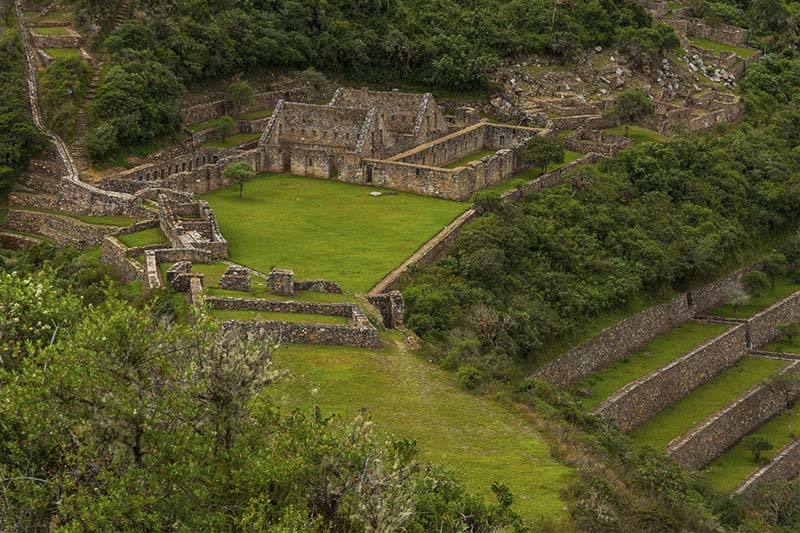
- Choquequirao
Larger than Machu Picchu, Choquequirao lies practically deserted at the top of the deepest canyon in the Americas. It was an ancient Inca urban center. Inevitably, Choquequirao was dubbed the “Sister of Machu Picchu.” But while the Wonder of the World receives around 5,000 visitors a day, this place is almost completely deserted.
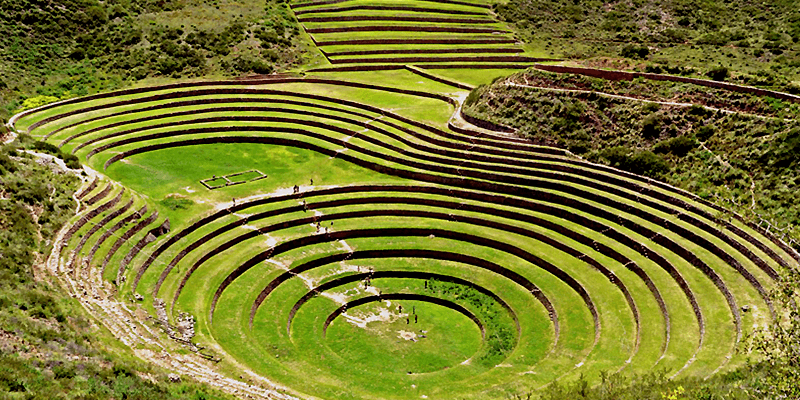
- Moray
It is located 57 km northwest of the city of Cusco. It consists of four slightly elliptical galleries, which the locals call “muyus.” The largest gallery is 45 m deep, and the average height of each terrace is 1.80 m. Researchers believe that the circular terraces of Moray served as an agricultural research center, where each level offered a different climate, allowing for the experimental cultivation of various plants.
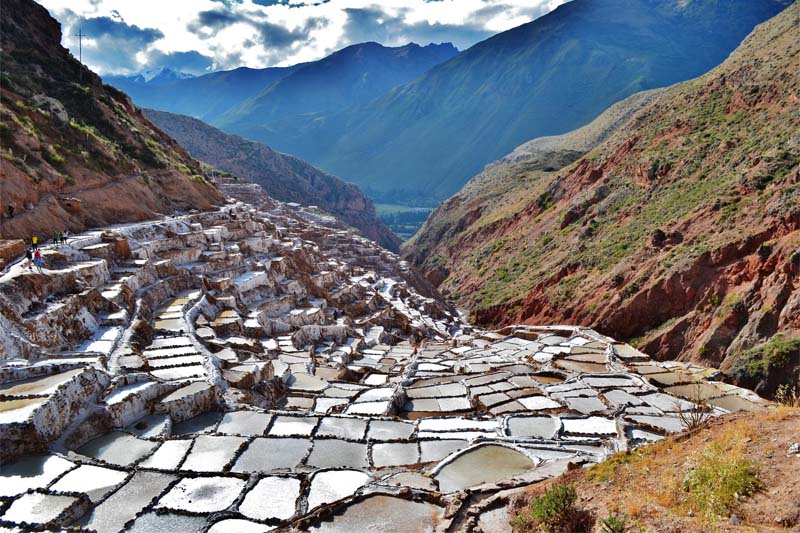
- Maras
Nestled in the breathtaking Andean beauty of the Sacred Valley, the salt pans of Maras offer a new perspective on the surprising ingenuity and skill of the Incas. There are thousands of small pools carved into the mountainside; these are filled with saltwater that evaporates, leaving behind salt. In the distance, and depending on the time of day, the thousands of white terraces of the Maras Salt Pans display incredible hues that have been captured by the best lenses of photography enthusiasts from around the world.
- Ollantaytambo
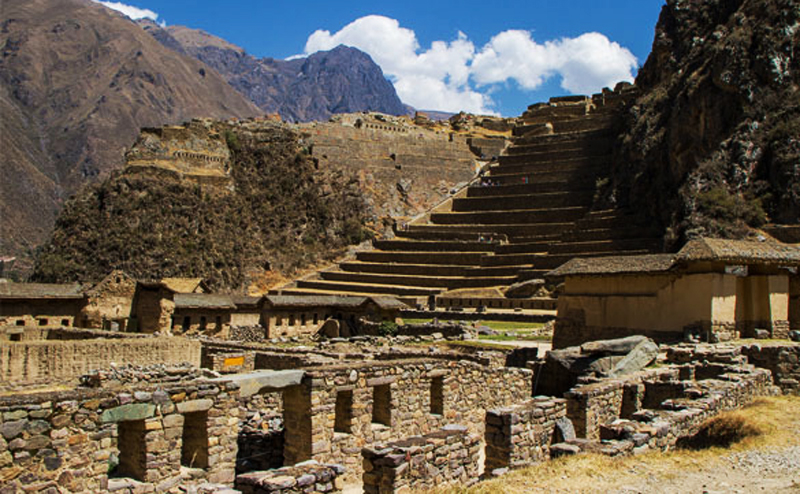
Ollantaytambo is one of the most important towns in the Sacred Valley of the Incas in Cusco. It is the only place that preserves its ancient Inca urban layout. Because it is a mandatory stop before reaching Machu Picchu, it is very popular with visitors and also has its own unique charm. It is the only Inca town that remains inhabited. Its cobblestone streets preserve Inca architecture combined with colonial temples and plazas.
Ollantaytambo is known as the ‘Living Inca City.’ Its inhabitants maintain some of the traditions inherited from their Inca ancestors. Its main tourist attraction is the archaeological site (also called a fortress) located next to the town.
- Pisac
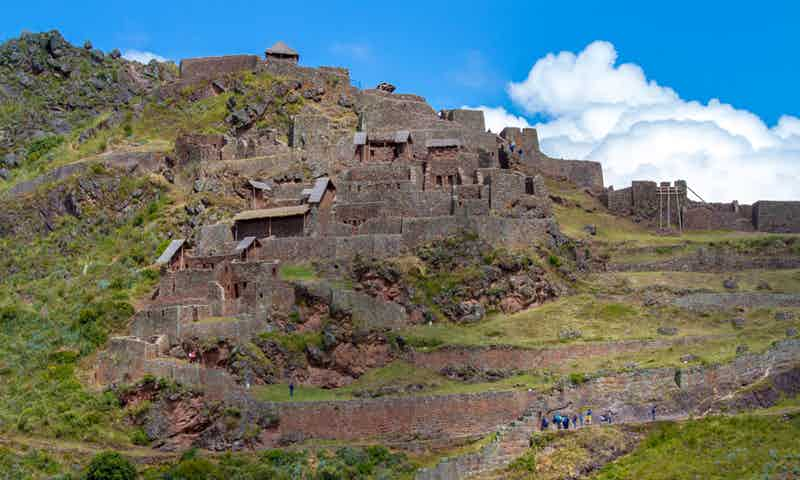
Pisac is a town in Cusco famous for being home to the Inca archaeological site of the same name. Its ruins attract thousands of visitors. It is renowned for its system of terraces and its carved stone structures. Pisac derives from the Quechua word ‘Pisaca,’ which means ‘partridge.’ It is believed that the archaeological site is shaped like a partridge. The ruins are located 3,300 meters above sea level. The town is situated at 2,974 meters above sea level.
The next day we had to leave for the town of Machu Picchu, since we had purchased our tickets in advance, so a long journey lay ahead of us.
Recommendations for visiting Machu Picchu.
Recommendations for purchasing tickets:
- Purchase your Machu Picchu entrance tickets in advance through the website www.machupicchu.gob.pe, You can also buy them at the ticket offices of the Cusco Regional Office of Culture, located on Maruri Street (Kusicancha Palace) and on Garcilaso Street (next to the Regional History Museum).
- The DDC in Machu Picchu Pueblo is the last point of sale, so a last-minute purchase will depend on the availability of remaining spots in the system.
- Please note that on high-demand days, ticket sales for the second time slot (12:00 PM–5:30 PM) begin at 10:00 AM, so there may be lines with wait times of up to 1 hour to purchase tickets.
- Please note that payment at the Machu Picchu Ticket Office is accepted only in soles and cash. Credit cards, debit cards, and U.S. dollars are not accepted.
- Inform visitors that they must bring printed copies of their admission tickets to avoid waiting in line to have them reprinted.
Recommendations for entering the Archaeological Park:
Once you arrive at the entrance gate, please keep the following instructions in mind:
- Before entering the Inca City, use the restrooms, as the visit will last an average of 2 to 4 hours (there are no restrooms inside the Archaeological Park).
- Entry for the second session begins at 12:00 PM; entry is not permitted before the designated time.
- Visitors with tickets ONLY for the Inca Citadel may leave the Archaeological Park and re-enter on an exceptional basis if they need to use the restrooms or have an emergency; otherwise, re-entry is not permitted.
- Visitors with tickets for Machu Picchu and Wayna Picchu may re-enter the site ONLY to use the restrooms and/or hire a guide for the Llaqta Inca tour.
- The duration of the tour and stay is stipulated in the new Visitor Regulations for the Sacred Site of Machu Picchu and is as follows:
• Visitors to Wayna Picchu Mountain have 3 hours to visit the mountain and 3 hours to visit the citadel.
• Visitors with tickets for Machu Picchu Mountain have 5 hours to visit the mountain and 3 hours for the citadel.
• Visitors with tickets ONLY for the Inca citadel may remain up to 4 hours after their entry time. It should be noted that the recommended tour duration ranges from 2 to 3 hours. A guide is not mandatory; however, it is recommended that tourists be accompanied by a professional guide to help preserve the heritage site and maintain order.
How to Get to Machu Picchu Town
There are three ways to reach Machu Picchu Town or Aguas Calientes. The most well-known is the train ride to the town, the last stop before reaching the Wonder of the World. The second is via the famous 4-day route known as the Inca Trail. The third is the hike from the hydroelectric plant, a roughly 2-hour trek through lush vegetation to reach Machu Picchu Town. We chose to go via the hydroelectric plant. This journey can be made by train (30 minutes) or on foot (approximately 2 hours). From Cusco, there are several ways to reach the hydroelectric plant; we hired a minibus service, which takes about 5–6 hours to reach the hydroelectric plant, and arranged for them to pick us up after our visit to Machu Picchu (approx. 60 soles per person)
Hike to the Hydroelectric Plant
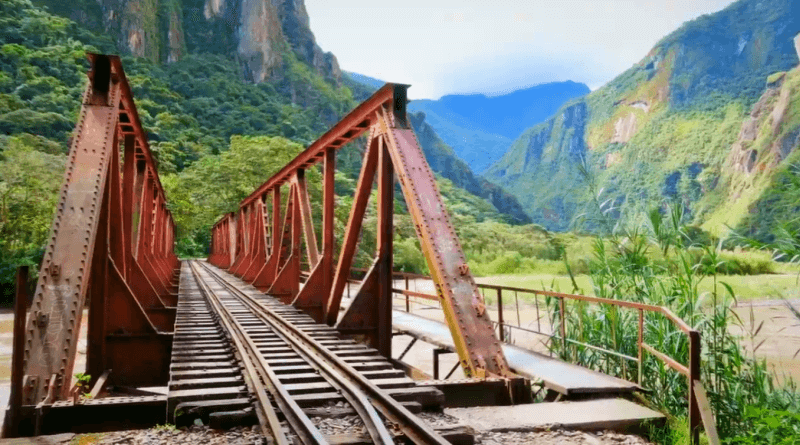
Once at the hydroelectric plant, there are two options for getting to the town of Aguas Calientes. The first is to take the trains, which generally depart only twice a day in the afternoons and take 30 minutes to arrive, but they are expensive. The other option is to walk parallel to the train tracks and the Vilcanota River to the final station. This hike takes an average of 2 hours and is an incredible experience thanks to the adventure and the beautiful scenery that surrounds it.
The path is flat, with no steep inclines to make the journey difficult. There are signs along the approximately 10-kilometer route. The route is rich in flora and fauna, where you can glimpse a variety of orchids and even spot anteaters in their natural habitat. It passes through tunnels where caution is advised. Vendors sell bottled water, fruit, and other items along the way.
Along the Hydroelectric-Aguas Calientes route, visitors will encounter other tourists also hiking the trail. While there is no major danger along the way, you should be cautious of trains carrying cargo or passengers on the tracks. It is not advisable to listen to music with headphones during the hike. You must keep all your senses alert to your surroundings.
It’s one of the best experiences before Machu Picchu—highly recommended if you love adventure as much as we do!!!
We recommend bringing a hat, a rain poncho (in case of rain), sunscreen, and mosquito repellent.
Once we arrived in the town of Machu Picchu, we decided to explore the town, which is small but very charming.
Aguas Calientes is the town at the bottom of the valley below Machu Picchu, also known as Machu Picchu town, but it gets the name Aguas Calientes because at the bottom of the town, in a small nook of the mountain, you can find “hot springs.” Every day, thousands of people from all over the world come to the town of Aguas Calientes in search of the wonder of Machu Picchu. This mix of ideas, cultures, nationalities, religions, and more has turned this small town into one of the most cosmopolitan places in the world.
The next day, we woke up very early, around 5 a.m. We chose to go up to Machu Picchu by bus, having bought our tickets in advance. Although the bus ticket is expensive—since the ride only takes 20 minutes—we decided not to exhaust ourselves, since we already had tickets for the citadel and the mountain.
Machu Picchu
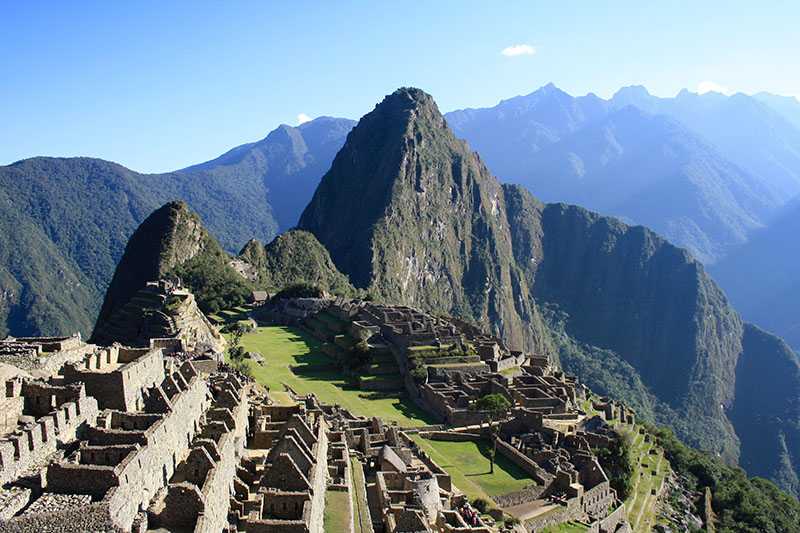
What can I say about this wonderful place, so full of energy! It’s incredibly beautiful, and the best part was watching the sunrise between the mountains.
Machu Picchu is an Inca city surrounded by temples, terraces, and water channels, built at the very top of a mountain. It was constructed using large stone blocks fitted together without the use of mortar. It is currently considered a World Heritage Site, recognized as an important political, religious, and administrative center of the Inca era. The average altitude of the citadel is 2,450 meters above sea level.
We began touring the citadel, and at 10 a.m. we had to start the hike up Machu Picchu Mountain.
The climb up the mountain is quite tough but not impossible. The trails on Machu Picchu Mountain were recently opened to the public after 500 years of history. Today, the trail is wide and well-marked. It also has places to rest. The route isn’t as steep as the one up Huayna Picchu, but it is longer. It’s estimated to have 1,600 steps, along with dirt and stone trails. As you climb, you can catch glimpses of the area’s stunning scenery. The ascent takes approximately 1.5 to 2 hours, depending on your fitness level.
That day, we stayed overnight in Machu Picchu town again to rest after the long hike, so that the next day we could make our way back to the hydroelectric plant, since the van would be waiting for us there around 2:00 PM to return to Cusco.
Where to Stay in Machu Picchu Town
Sol de los Andes Inn http://www.soldelosandesinn.com/
Where to eat in Machu Picchu Town
There are great options for delicious and affordable food; many of them are on Pachacutec Street, the small street that branches off from the monument plaza and heads uphill toward the hot springs.
Humantay Lake
On our sixth day, we decided to go to Humantay Lake
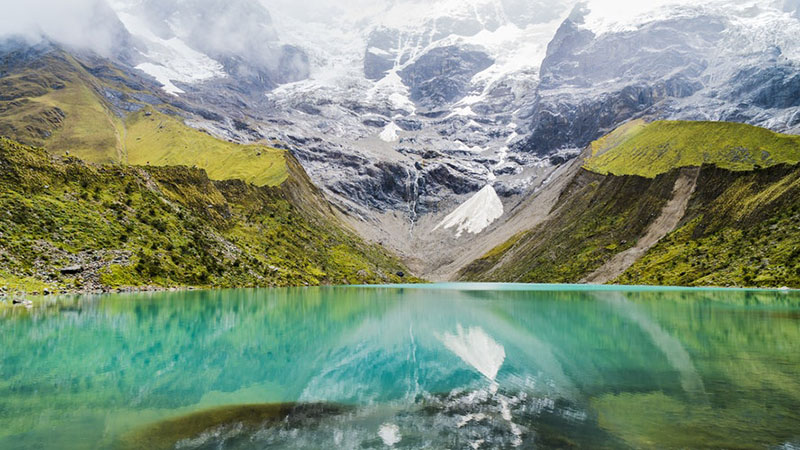
They picked us up at the hostel at 4 a.m. It took about two hours to reach the town of Mollepata, where we had a regional breakfast and bought some supplies. An hour later, we arrived at Soraypampa, where the uphill hike begins. which takes about an hour and a half, or approximately 2 hours. As you climb, the landscape of snow-capped mountains is incredible—truly breathtaking natural scenery—until you reach Humantay Lagoon, where you’ll enjoy stunning views of the lake and the surrounding mountains of this wonderful place.
Humantay is a snow-capped mountain that forms part of the Vilcabamba mountain range and gives rise to this splendid turquoise-colored lagoon, which is fed by the mountain’s glaciers and is a natural gem on the Apu Salkantay trail.
Last day, and we were left wanting to go to the Mountain of a Thousand Colors!!! A very good excuse to return.
We didn’t have the time—or the energy! So we decided to explore Cusco and spend our last day there.
Where to eat in Cusco
Barranco Beer Company Craft Brewery
Organika Healthy meals at Organika
Where to stay in Cusco
TUKUNNA HOSTEL, a block and a half from the Plaza de Armas. We stayed in a double room with a shared bathroom; the bathrooms were clean, and the showers had plenty of space to hang your clothes and were well-divided so you could shower in peace and without any issues.
The Grasshopper Hostel, an option for travelers who want to spend as little as possible on lodging.
Where to have a drink and enjoy the best view of Cusco
Limbus Resto Bar – The best view in all of Cusco Limbus Resto Bar
A pretty busy bar, ideal for going at night to see the whole city of Cusco all lit up. It’s recommended to go early since there’s always a bit of a wait, especially if you want to go to the balcony to enjoy the view and take photos.
Leave us your comment!!!
Follow us on social media!!!