.jpg)
California is amazing. In just a few hours, you can explore a variety of incredible landscapes. In this post, we’ll share the best of each one and everything there is to do.
Yosemite National Park
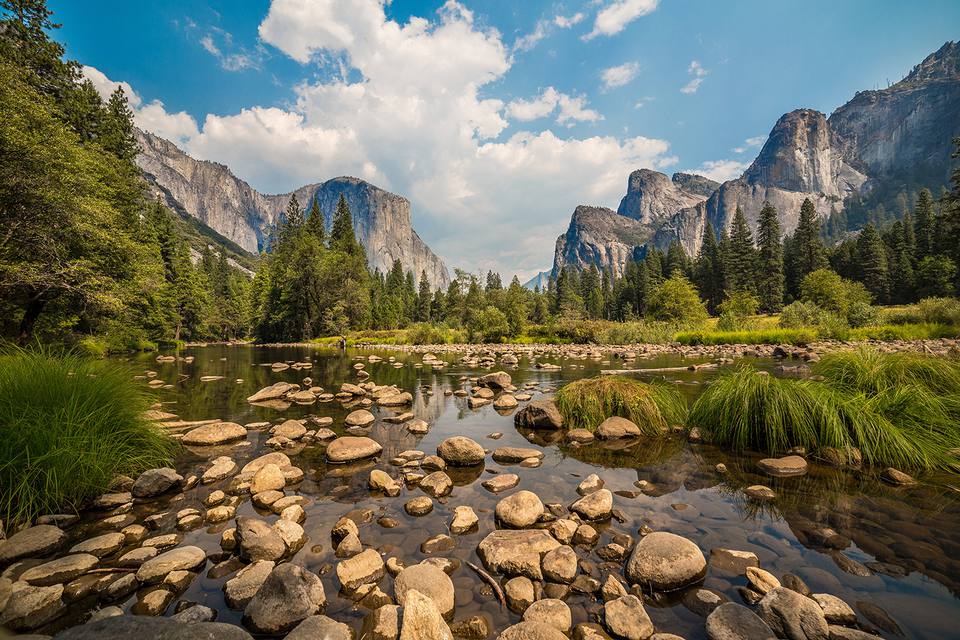
Yosemite National Park is one of the most majestic and iconic parks in the United States. Located in the Sierra Nevada in Northern California, it is probably best known for its granite cliffs of Half Dome and El Capitan, the world’s largest granite monolith.
The panoramic view of the entire Yosemite Valley, made famous by Ansel Adams’ black-and-white photographs, is a sight everyone should experience at least once. The best spot to capture this view—which includes El Cap, Half Dome in the distance, and Bridalveil Falls—is from the Tunnel View overlook.
Many of the trails in Yosemite Valley are gentle, flat paths that lead directly to the main attractions. Popular hikes include Tuolumne Meadows and Mariposa Grove, where you can walk through a massive redwood forest. On Southside Drive, short trails lead to Bridalveil Fall and Sentinel Bridge, another spot for views of Half Dome. If you’re really up for an adventure, the hike to Yosemite Falls is a must-see.
Pinnacles National Park
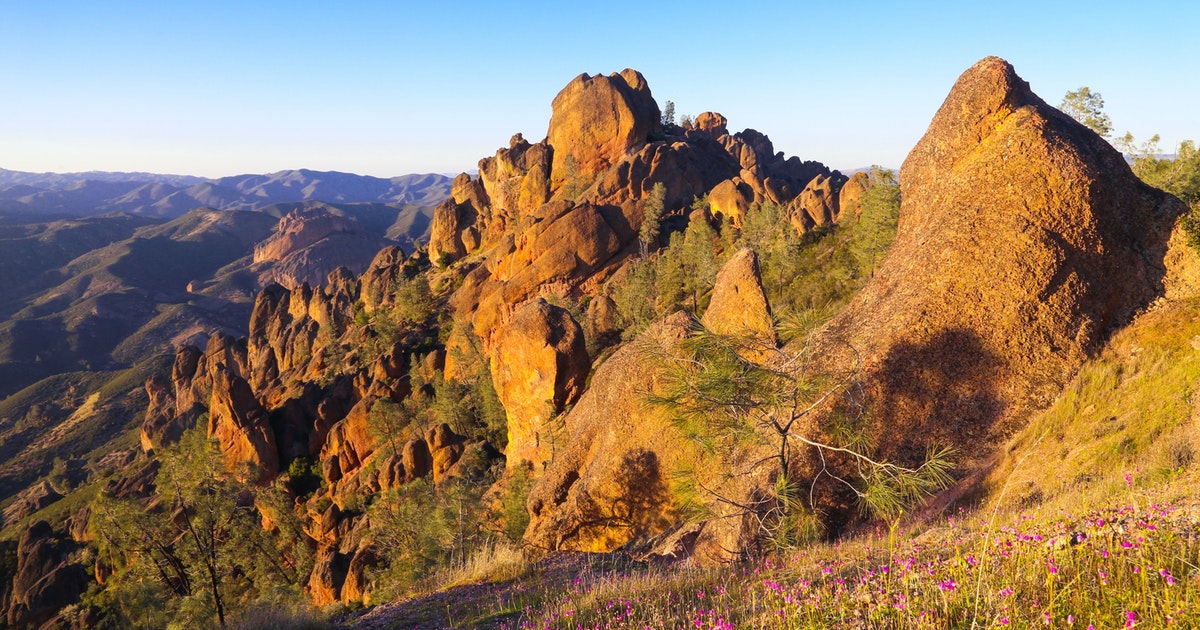
The newest of all California’s national parks is Pinnacles. Designated a national park in 2013, Pinnacles is located an hour from Monterey County. It gets its name from the massive domed spires formed by volcanic activity, and this highly unusual geology is what makes the park so special. In addition to the photogenic spires, the park has two walk-through caves that are home to local bat species.
The second-best thing about Pinnacles is that it’s home to condors, majestic birds with wingspans reaching nearly 10 feet wide. Since condors don’t migrate, you can spot them from certain viewpoints year-round.
The trails we recommend are the Moses Spring Trail and the Bear Gulch Cave Trail. Both hikes take you to caves and offer views of the volcanic formations. Rock climbing is also very popular on the west side of the park, and there are routes for beginners and advanced climbers alike.
This park is one of the least visited in California, and it has only one campground, which is busiest in the spring and fall months when temperatures are milder.
Joshua Tree National Park
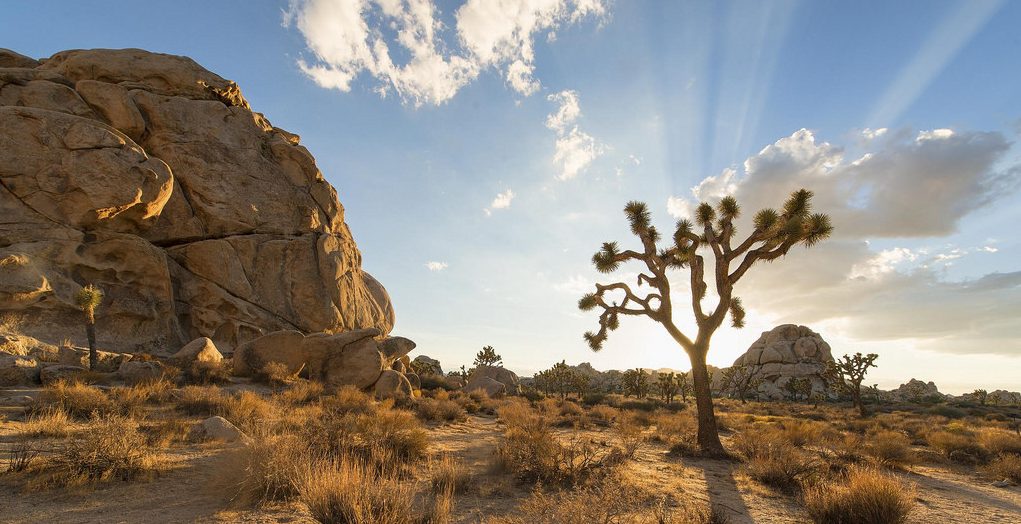
Joshua Tree National Park, located just two hours from Los Angeles, is beloved for its namesake Joshua trees. These Dr. Seuss-like plants are not actually trees but yucca plants. The unique landscape of the desert—the Mojave Desert and the Lower Colorado Desert—combined with mountains and valleys, makes this national park a place of striking contrast.
Popular hikes include the Indian Cove Nature Trail, a great spot to see Joshua trees, and the Cholla Cactus Garden, where you can see a dense concentration of cactus plants. Joshua Tree National Park also features massive rock formations that have become a climber’s paradise.
For panoramic views of the nearby valleys and peaks, head to Keys View, the highest point in Joshua Tree National Park.
Redwood National Park
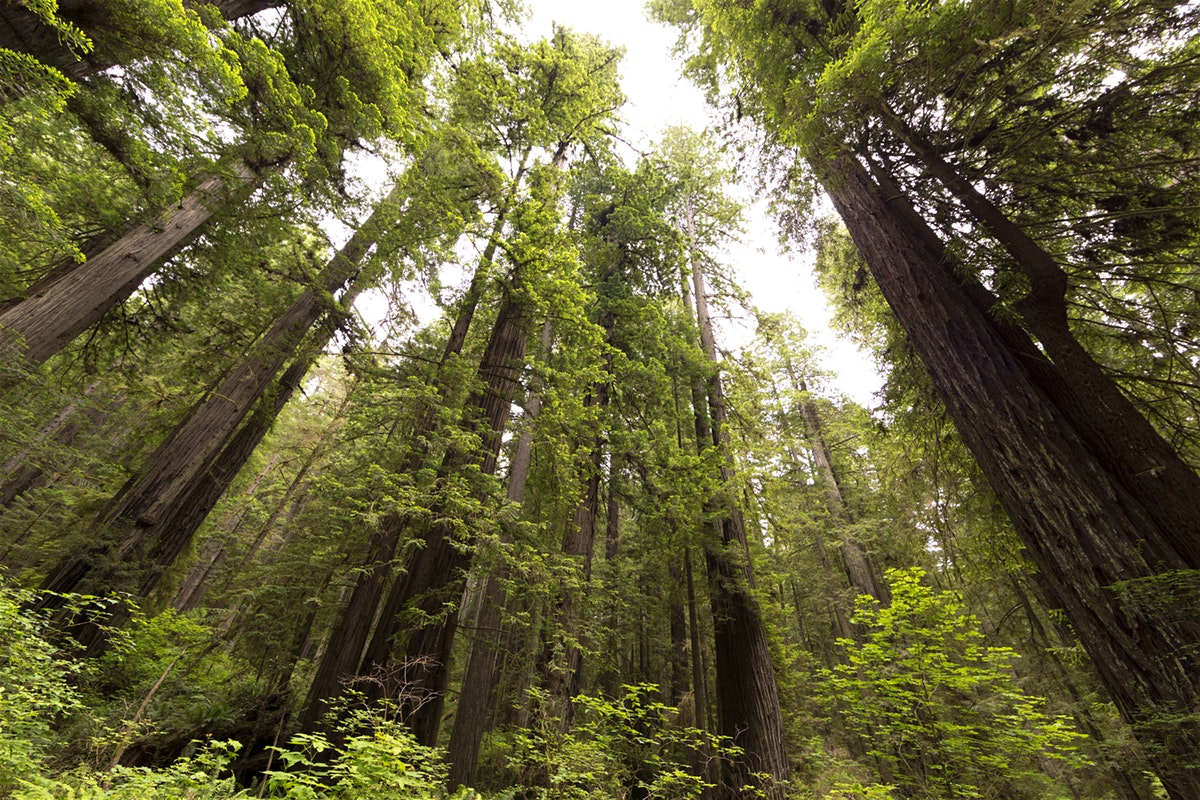
The famous redwood trees that grow along California’s northern coast are simply breathtaking, and they’re the number one reason to visit this park. These trees can grow up to 350 feet tall; looking up at them can take your breath away. Redwood National Park is actually a vast area comprising a cluster of three state parks: Prairie Creek, Jedediah Smith, and Del Norte. The most popular hike in the area is Fern Canyon, which was actually a filming location for Jurassic Park 2. Hiking through this densely forested canyon makes you feel as if you’ve stepped back in time.
Tall Trees Grove is home to the tallest redwoods. Access requires a free permit from the Kuchel Visitor Center, which helps keep visitor numbers to a minimum. This area is also known as a prime spot for kayaking, mountain biking, river fishing, and horseback riding. Several tour companies take visitors on half-day or full-day excursions to showcase the beauty of the North Coast.
Death Valley National Park
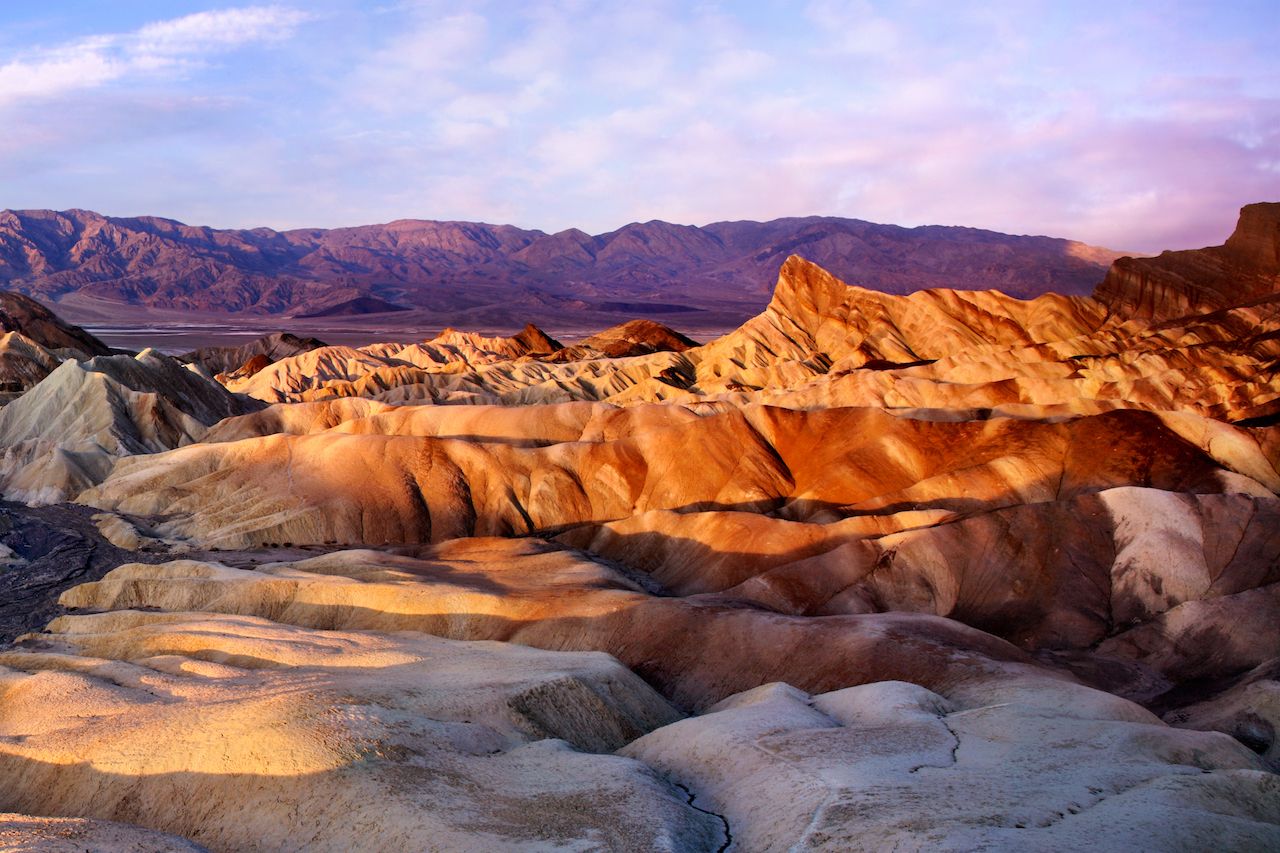
Death Valley is a land of extremes. It holds the record for the world’s highest temperature, 136 degrees Fahrenheit, and is the driest place in North America, with an average of two inches of rain per year. But what’s most remarkable about Death Valley isn’t its records—it’s the surprising and strange beauty you’d hardly expect in such a harsh, arid environment.
If you want to see all the shades of yellow and orange against the golden cliffs, you should head to Zabriskie Point or hike through Golden Canyon to catch the sunrise or sunset. Another must-see is the Badwater area, home to the lowest point in America at 282 feet below sea level. A drive along Badwater Road lets you see the salt flats and pools, which are all that remain of an ancient dried-up lake. A walk through the Mesquite sand dunes offers the chance to spot some wildlife, such as a coyote or a desert fox. For another unique hike, be sure to visit Ubehebe Crater, where you can walk along the rim of an ancient volcano.
Sequoia National Park and Kings Canyon National Park
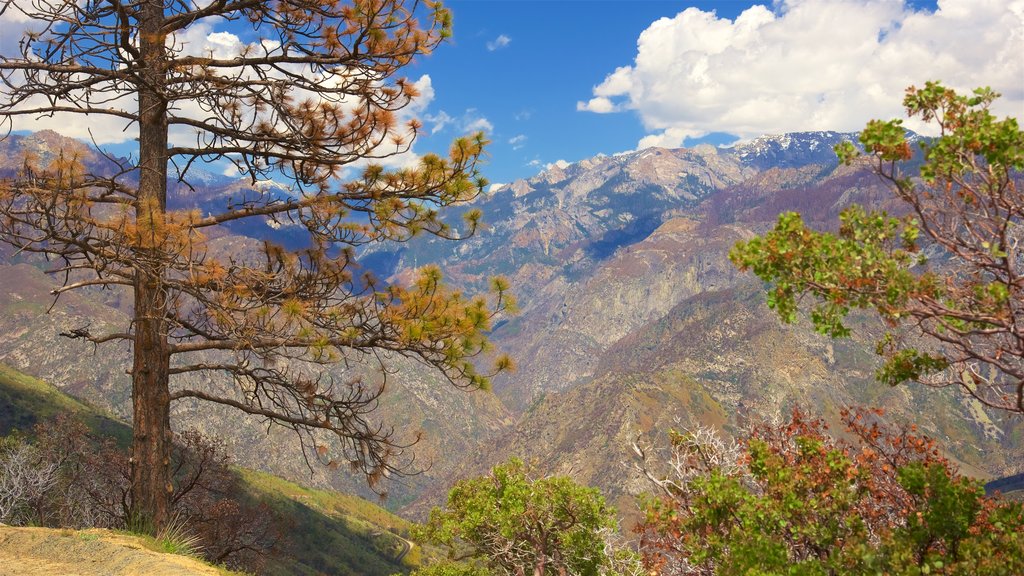
Sequoia and Kings Canyon National Parks are technically two separate parks, but they are managed jointly. They are located just 75 miles south of Yosemite, and while they share much of the same topography, flora, and fauna, they don’t attract the same crowds.
You can admire towering granite formations like Grand Sentinel while taking a peaceful, uncrowded stroll through Zumwalt Meadows in Kings Canyon.
The highlight of these parks is their majestic giant sequoia trees. To visit the General Sherman Tree, the largest in the world, hike the Congress Trail through a stunning forest of these massive trees. The world’s second-largest tree, the General Grant, is located in Grant’s Grove in Kings Canyon. You can also drive through a giant sequoia that fell in 1937 at Tunnel Log.
You can admire some of the parks’ snow-capped peaks from Panoramic Point, a 7,000-foot overlook with views of Kings Canyon and Hume Lake. Another spot to enjoy panoramic views is the top of Sequoia’s Moro Rock, a granite dome you can climb via an intimidating staircase carved into the stone. There are even stalactites to see in Sequoia’s Crystal Cave.
Lassen Volcanic National Park
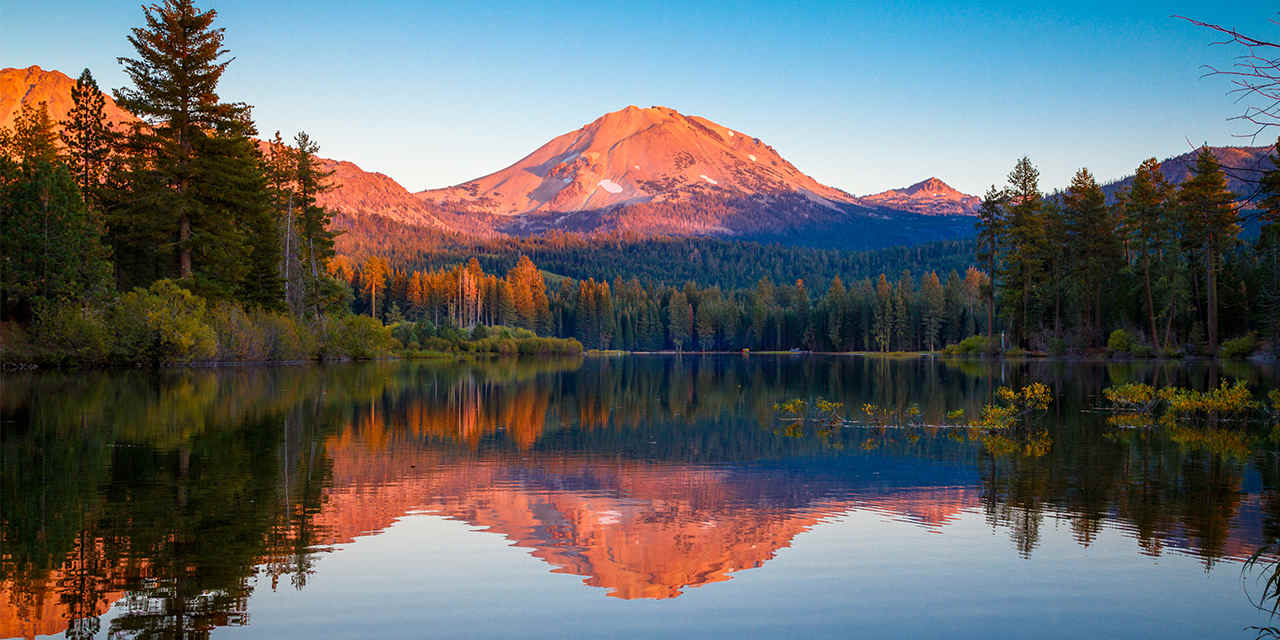
In the Shasta Cascade region, Lassen Volcanic National Park doesn’t get the recognition it deserves. It’s named after its signature volcano, Lassen Peak, the world’s largest plug-capped volcano. Most of the national park is filled with hydrothermal features. These unusual and rare features are what make Lassen so epic.
A hike on the Bumpass Hell Trail will take you through Lassen’s largest hydrothermal area and give you a close-up view of the boiling mud pots and superheated pools. The Sulphur Works area is another prime spot for a walk along the boardwalk through volcanic gas vents and fumaroles. In contrast, the other side of Lassen Volcanic National Park features waterfall hikes and Manzanita Lake, a popular spot for kayaking, swimming, and camping. This area of the park offers visitors views of Lassen Peak and lush forest hikes that connect to the Pacific Crest Trail.
Channel Islands National Park
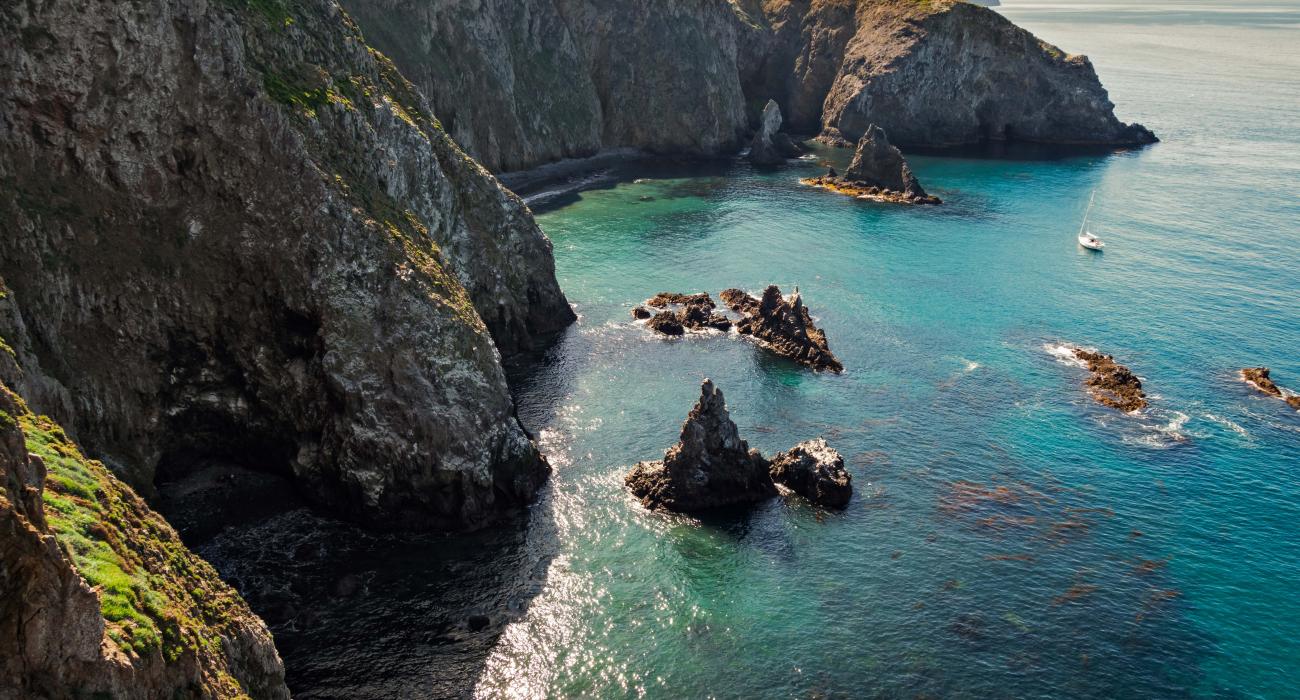
One of the most remote national parks in the U.S., Channel Islands National Park consists of five islands off the coast of Southern California. The only way to reach them is by plane or ferry departing from Ventura, Oxnard, or Santa Barbara. There are no facilities, electricity, or services on the islands. While camping is available, everything you bring to the island must go back with you. This primitive atmosphere is why the Channel Islands are an unspoiled wonderland. They are known as the Galápagos of North America, where wildlife abounds. Naturally, this aspect of the islands is their most notable feature.
You can usually spot whales, dolphins, sea lions, seals, and seabirds while exploring the islands. Anacapa, the closest of the islands, is the most popular. It’s right next to Santa Cruz, the largest of the islands. Hiking, kayaking, and snorkeling are some of the main activities. Every trail leads to spectacular views of the Pacific Ocean, the island’s cliffs, and caves.
FOLLOW OUR TRAVELS ON SOCIAL MEDIA!!!