After our trip to Cusco, we decided to visit Peru’s capital; we stayed in the Miraflores neighborhood, and that’s where our tour began.
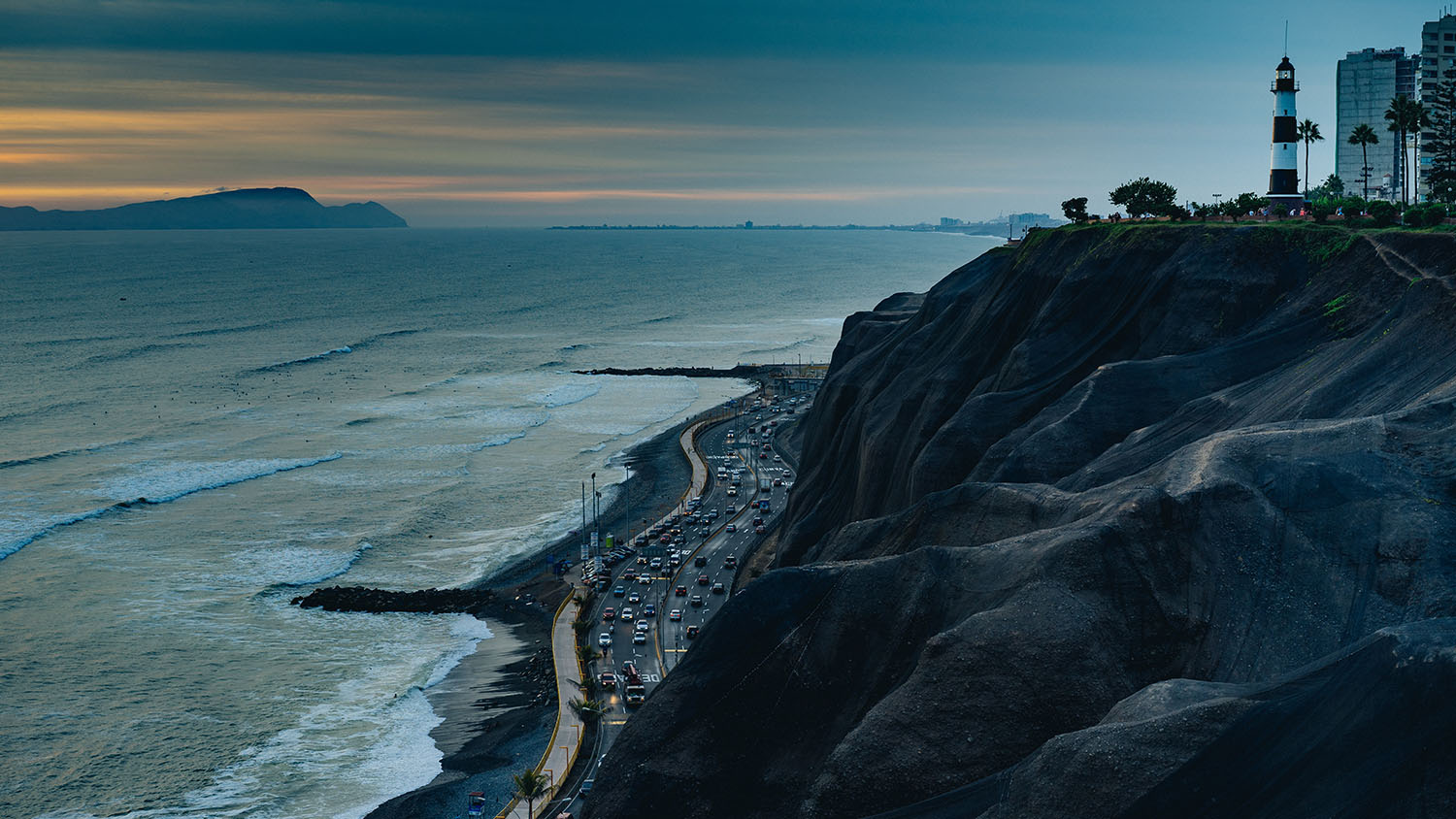
It is undoubtedly one of Lima’s most attractive neighborhoods, an area of luxury hotels and apartments perched on cliffs overlooking the Pacific, with green boardwalks and sophisticated restaurants.
Things to Do in Miraflores, Lima
KENNEDY PARK
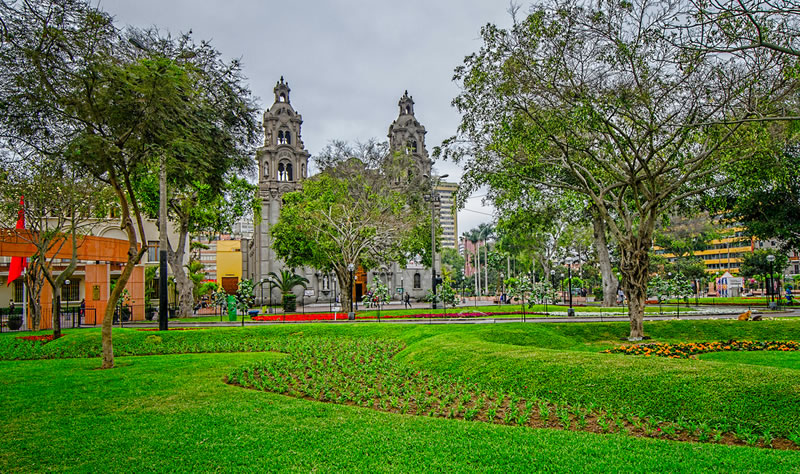
Our first day began with a stroll through Kennedy Park, which lies at the heart of the Miraflores neighborhood—a green space surrounded by shops, restaurants, and nightclubs. Another thing that caught our attention: it’s full of cats that live there!
Among its attractions is a small plaza that hosts craft stalls in the afternoons, an amphitheater where cultural performances take place, and a walkway known as the Pasaje de los Pintores, where Peruvian artists display their work. It’s also worth taking a break among the picturesque food carts to enjoy the sweet treats they sell.
HUACA PUCLLANA
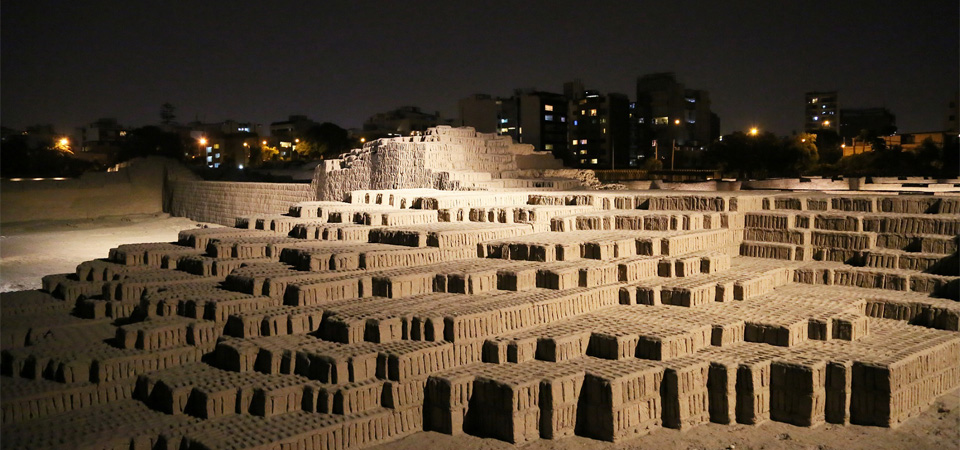
We walked to Huaca Pucllana, an archaeological site consisting of a 25-meter-high pyramid and a series of enclosures that were part of a citadel of the Lima Culture, a civilization that inhabited the territory between 100 and 650 AD.
A tour of the area also allows you to see life-size recreations of indigenous people from this culture performing daily activities and rituals, as well as a small museum room housing the artifacts and artifacts found at the site.
General admission costs approximately S/15 per person.
Take a stroll along the Miraflores Boardwalk
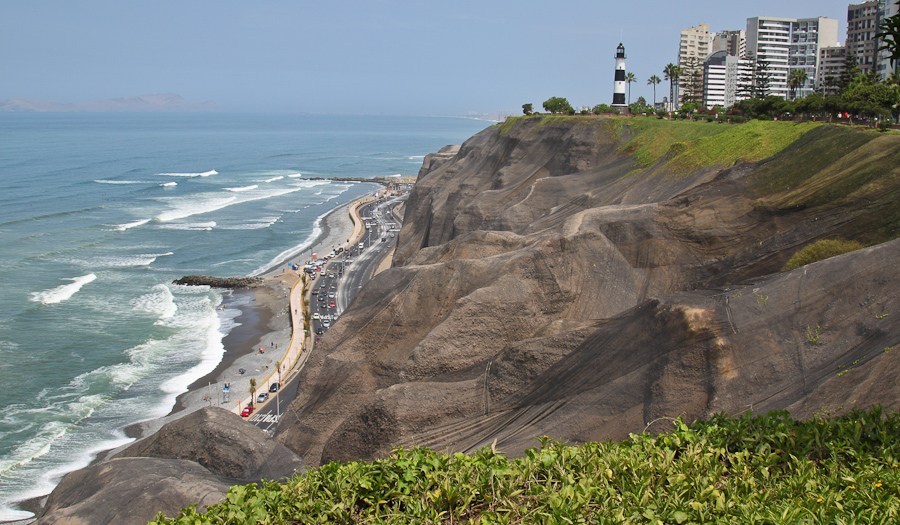
This is a must-see outing—a walk along its extensive boardwalk, which changes names along the way: Cisneros Boardwalk, Reserva Boardwalk, and July 28 Boardwalk—a corridor that runs along the cliffs, passing through parks, sculptures, and lookouts offering extraordinary views of the city and the Pacific Ocean.
The most common route along the boardwalk starts at the “Lighthouse,” then passes through Raimondi Park (a paragliding launch site), Parque del Amor, the Villena Rey Bridge, the Larcomar Shopping Center, and ends at Bajada de Armendáriz—a total walk that shouldn’t take more than 30 minutes.
BEACHES
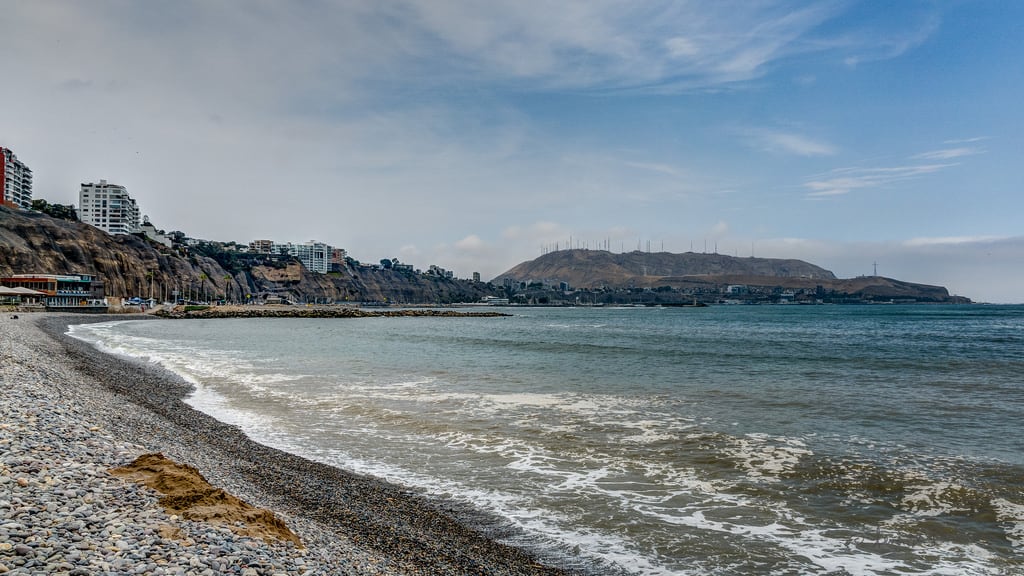
Miraflores boasts a series of beaches surrounded by cliffs, which are attractive for their warm waters with average temperatures of 17°C.
There are eight beaches, stretching along a coastline of approximately five kilometers. Among Miraflores’ beaches, Punta Roquitas and Makaha are worth highlighting for fans of board sports, while the best for swimming are Waikiki Beach and Redondo Beach.
TAKE A FREE WALKING TOUR
Here’s the link in case you’re interested—it’s really worth it: https://www.freewalkingtourbarranco.com/
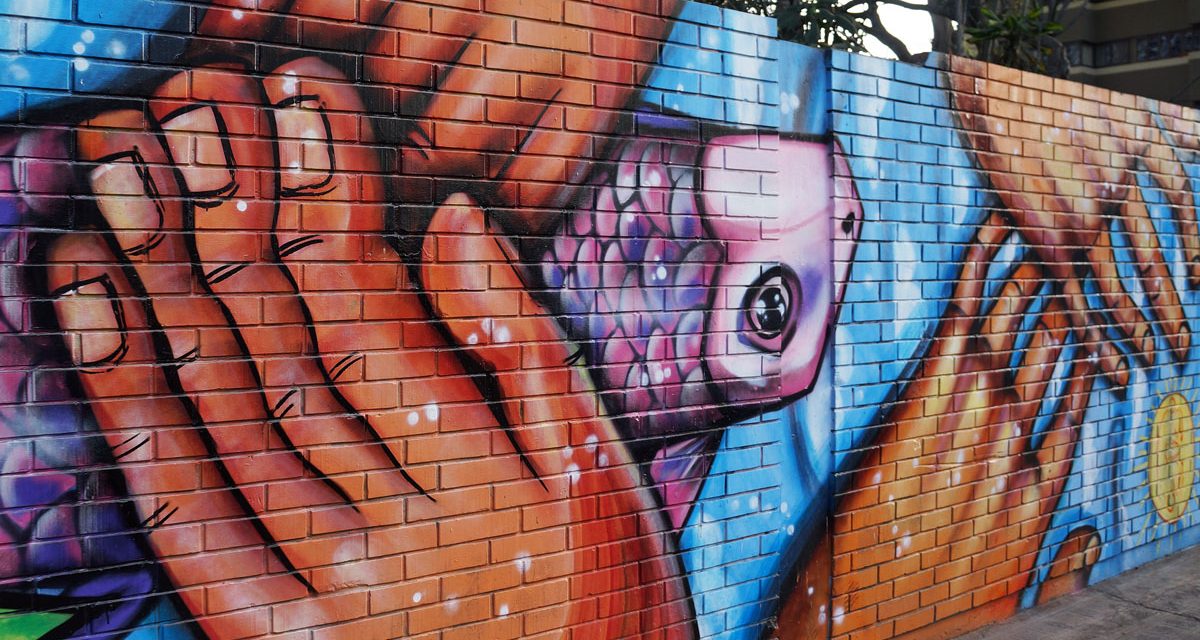
It’s the best way to discover the city’s hidden gems; most tours depart from the tourist information centers, and the one we took was excellent. We were taken to explore the famous bohemian neighborhood of Barranco, home to many local artists. There we visited the Lima Museum, the Pedro de Osma Museum, and the Museum of Contemporary Art. We toured all the murals and art galleries, passed by the Bridge of Sighs (making the famous wish you’re supposed to make), and from there they took us to Chorrillos, a district in the south overlooking the sea and undoubtedly one of the most closely linked to Peru’s history. They always recommend going with a local from there because some areas can be dangerous; we had an amazing time in a favela with locals, enjoying delicious juices, dancing, and listening to the history of the place, which is truly fascinating.
We visited a workshop where traditional boats are built; many of them are the famous fishermen’s boats we see along the coast of Lima. We also visited other points of interest, such as Morro Solar, Cristo del Pacífico, Salto del Fraile, and La Herradura Beach, famous for being a popular spot among surfers.
A DAY IN LIMA, THE CAPITAL
The capital of Peru is a huge place where traffic is chaotic, so be patient! There we visited
Lima’s Plaza de Armas, or Plaza Mayor
It is the epicenter of the city and home to several important buildings such as the Government Palace, the Cathedral, the Church of El Sagrario, etc.
It is one of the most popular tourist spots in Lima.
Lima Cathedral
It has a rather curious feature: it was built in different architectural styles, which makes it unique.
Hours of operation are Monday through Friday from 9 a.m. to 5 p.m., and Saturdays from 10 a.m. to 1 p.m. Admission is 10 soles, and 2 soles for minors.
Plaza de San Martín
It is one of the most popular tourist spots in the Peruvian capital. It is very close to the Plaza de Armas.
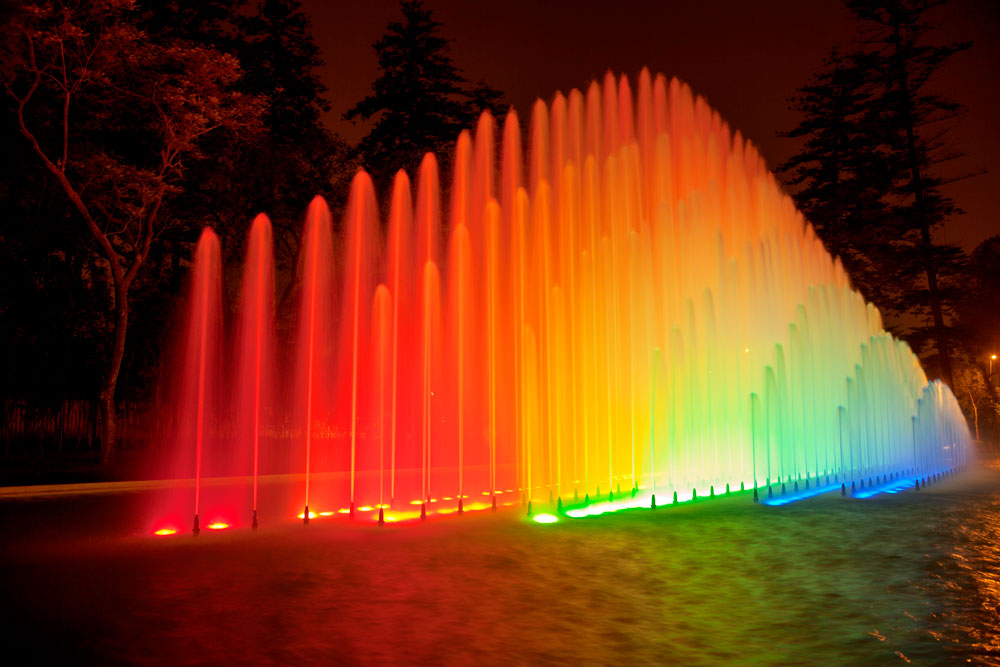
Magical Water Show
This is an open-air nighttime show filled with lights, music, water, and plenty of magic; it is perhaps the most visited tourist attraction in Lima.
WHERE TO STAY IN MIRAFLORES
Dragonfly Hostels Miraflores—book your stay here
WHERE TO EAT IN MIRAFLORES
One of the best restaurants in Miraflores, located in the Barranco neighborhood, is a must-visit spot with excellent value for money.
Generous portions perfect for sharing.
If you love craft beers, these are some great places to enjoy a few nice, cold ones
Barranco Beer Company
Lupulo Draft Bar
After so much time in the capital, we needed to reconnect with nature, so we set off for Ica to visit the Huacachina Oasis.
We went by bus, but there are different ways to get there; it took us about 4 hours from Lima. Once we arrived in Ica, we took a motorcycle taxi (about 5 soles) to the Oasis.
THE HUACACHINA OASIS, ICA
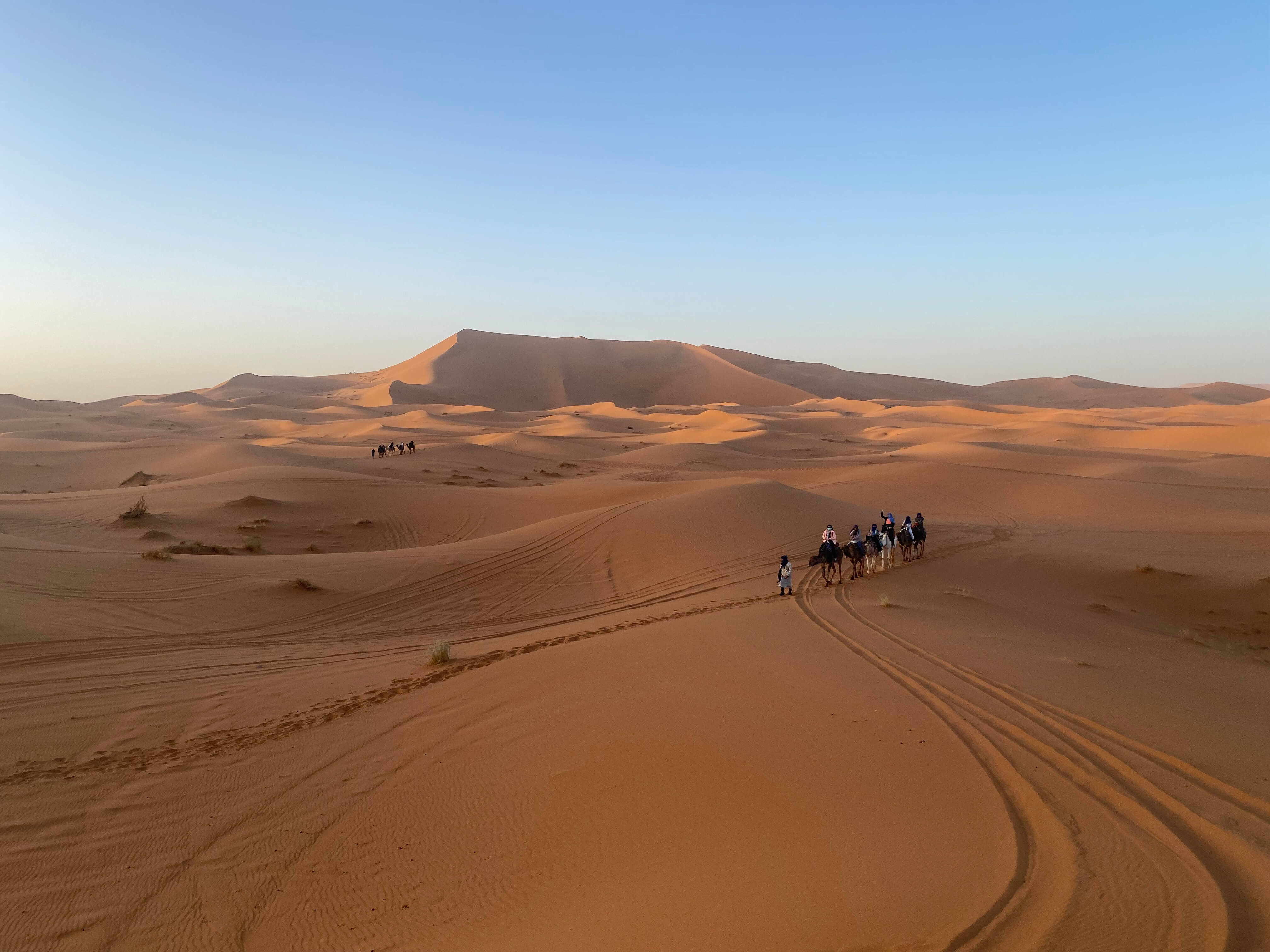
Huacachina is nestled in an oasis in the desert. It is, without a doubt, a curious, unique, and spectacular place.
In the center of town lies the Huacachina Lagoon, surrounded by palm trees and with green waters believed to have therapeutic properties (a myth).
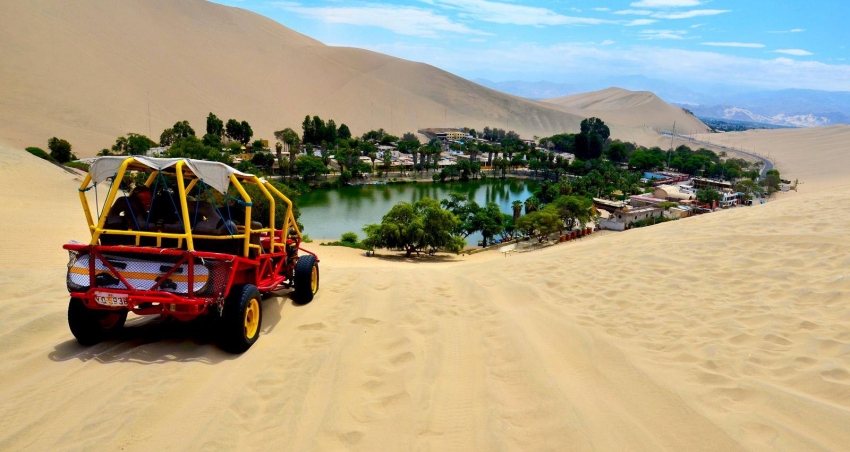
We spent a whole day there; you can walk through the dunes taking in the scenery and enjoy various activities. We chose the buggy ride through the endless dunes and timed it perfectly to watch the sunset between them. Truly beautiful!!!
WHERE TO STAY IN HUACACHINA
Hotel El Huacachinero, an excellent place to stay at a good price; you can book here.
https://www.booking.com/hotel/pe/el-huacachinero.en.html?aid=1733018&no_rooms=1&group_adults=1
To wrap up the trip, we left Ica for Paracas by bus, a journey of about 1.5 hours.
PARACAS NATIONAL RESERVE
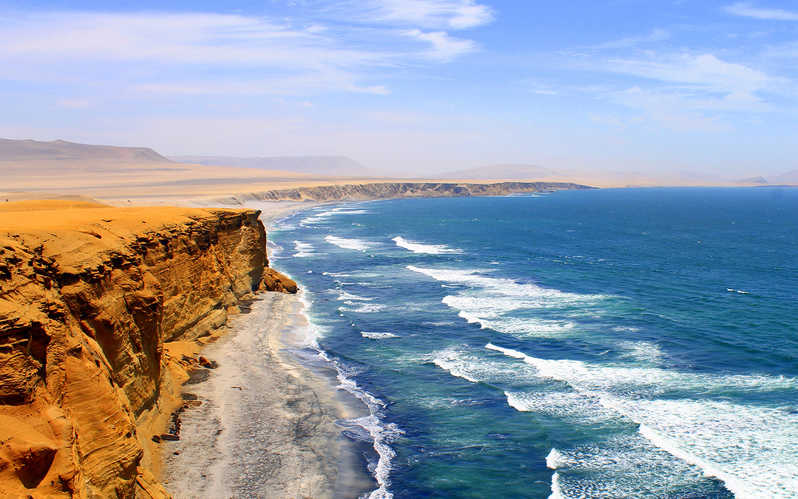
The Paracas National Reserve is a protected natural area preserving one of the world’s rarest ecosystems, which includes one of the driest deserts on the planet, an area of immense marine biological diversity, and sites with archaeological remains of the ancient Paracas culture (600 B.C. – 200 AD).
Its importance lies in the fact that it protects a great biological diversity essential for maintaining various biological cycles that ensure the conservation of species, as well as generating economic income for thousands of residents.
It is one of the most peaceful places we visited in Peru. Since we had limited time, we had to take a one-day tour that took us to different parts of the Reserve, but there are various ways to explore it (by car, bike, ATV, etc.)
It’s definitely a place we’d return to.
WHAT TO DO IN THE PARACAS NATIONAL RESERVE
- TOUR OF THE BALLESTAS ISLANDS
The Ballestas Islands are a group of islands near the city of Pisco, consisting of rock formations that are home to significant marine wildlife, including guano birds such as the guanay, the booby, and the zarcillo, as well as Humboldt penguins. Likewise, the Ballestas Islands serve as a refuge for two species of sea lions (slender sea lions and South American sea lions) and other mammals.
- TOUR OF THE NATIONAL RESERVE
We began the tour at the Paracas National Reserve Museum, then stopped at various beaches and lookouts.
Red Beach
Unique in the world, it is the result of volcanic activity following millennia of eruptions that struck the Pacific. This process generated a type of clay derived from the igneous rock known as Pink Granodiorite, which is a component of the sand.
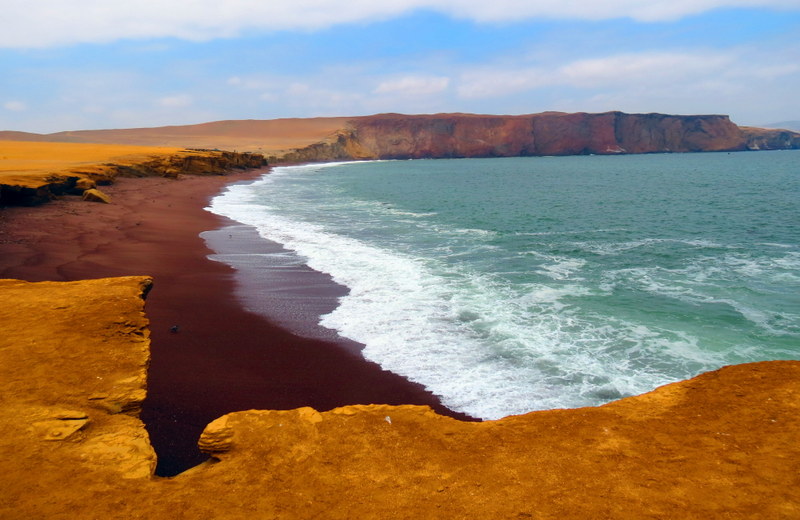
Supay Beach
Swimming is not recommended at this beach due to its rough waves, but you can fish and, if you’re lucky, spot dolphins.
La Catedral
La Catedral was an imposing rock formation created by centuries of erosion from the sea and wind. Its concave shape resembled the domes of cathedrals, and inside lived some sea cats or chingun; the remains of this formation can be found between Yumaque and Supay beaches.
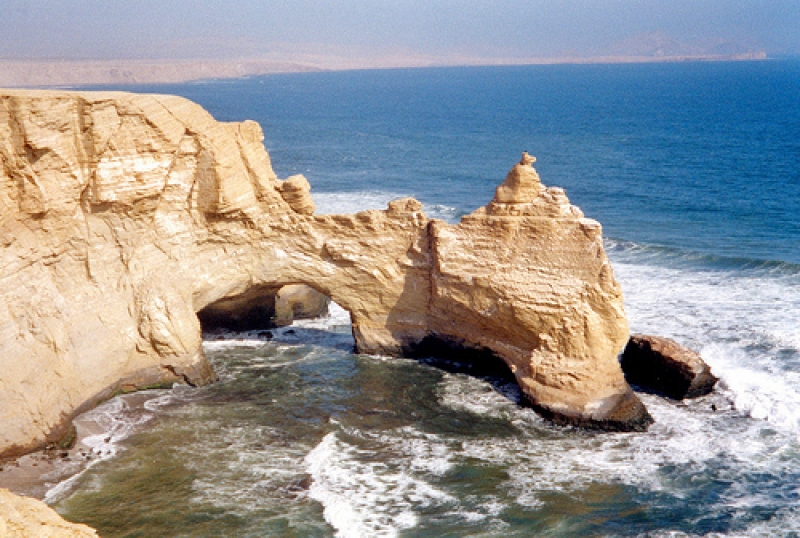
Lagunillas
Lagunillas Beach is one of the most visited beaches in the Paracas Reserve, and like many of the coastal towns in this area, it is also a fishing village that still preserves its traditional pier today.
Yumaque Beach
Yumaque Beach. Located 3 km from Supay, it is large and spacious, perfect for camping. In the rocky areas, you can find flounder and tramboyos.
La Mina
2 km from Lagunillas. White sand and turquoise, crystal-clear water. Perfect for camping, snorkeling, and swimming.
La Mendieta Beach
22 km from the Reserve’s checkpoint. It is one of the most beautiful beaches, where people often camp, fish, dive, and snorkel.
There are many spots to explore in the Reserve; it all depends on how much time you have and how you’re traveling.
This was our last stop in Peru; there are still a thousand places left to explore, but it’s a great excuse to come back for more!!!
If you have any questions, leave your comments!
Follow our travels on social media!!!